


























Views
Downloads
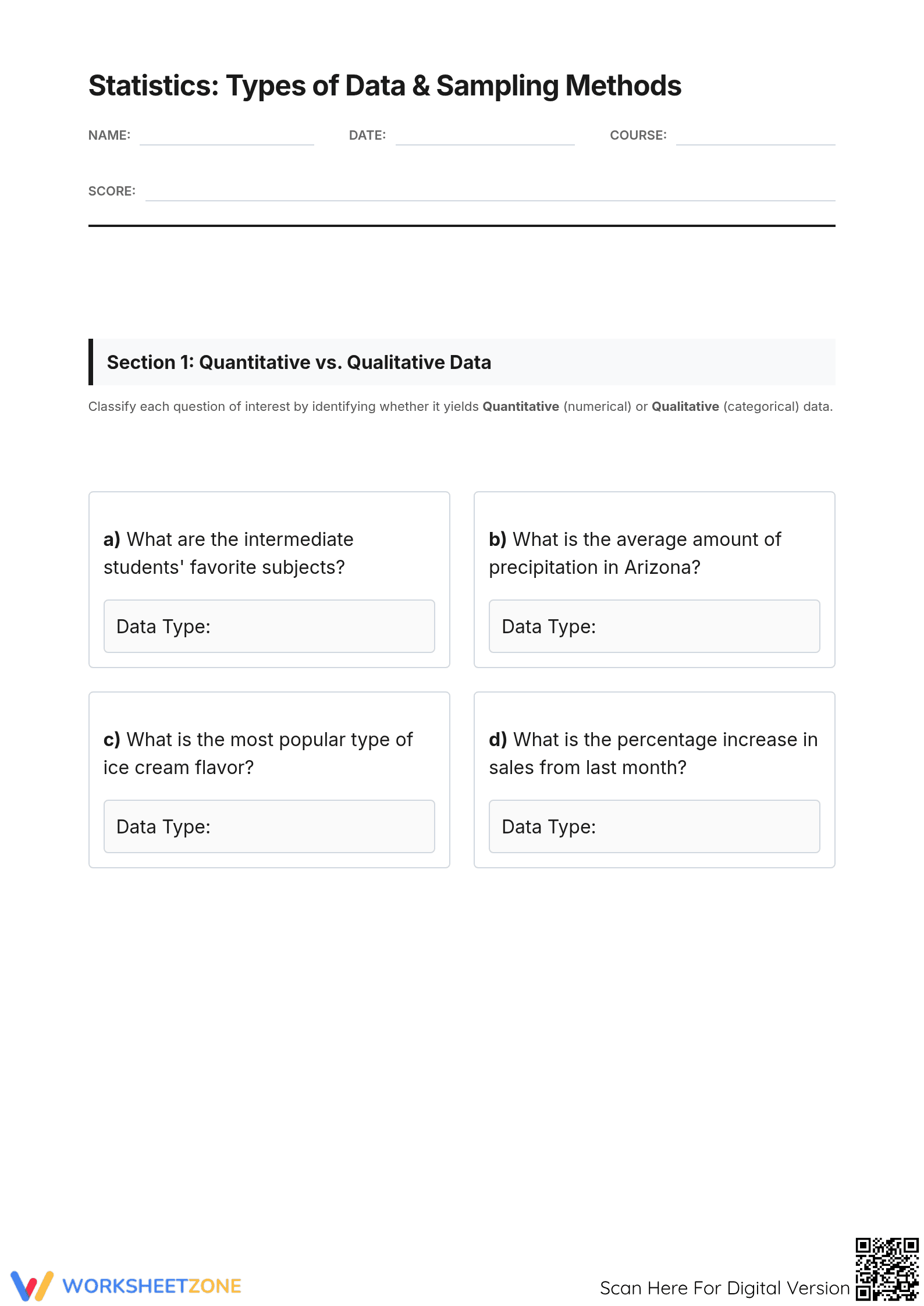
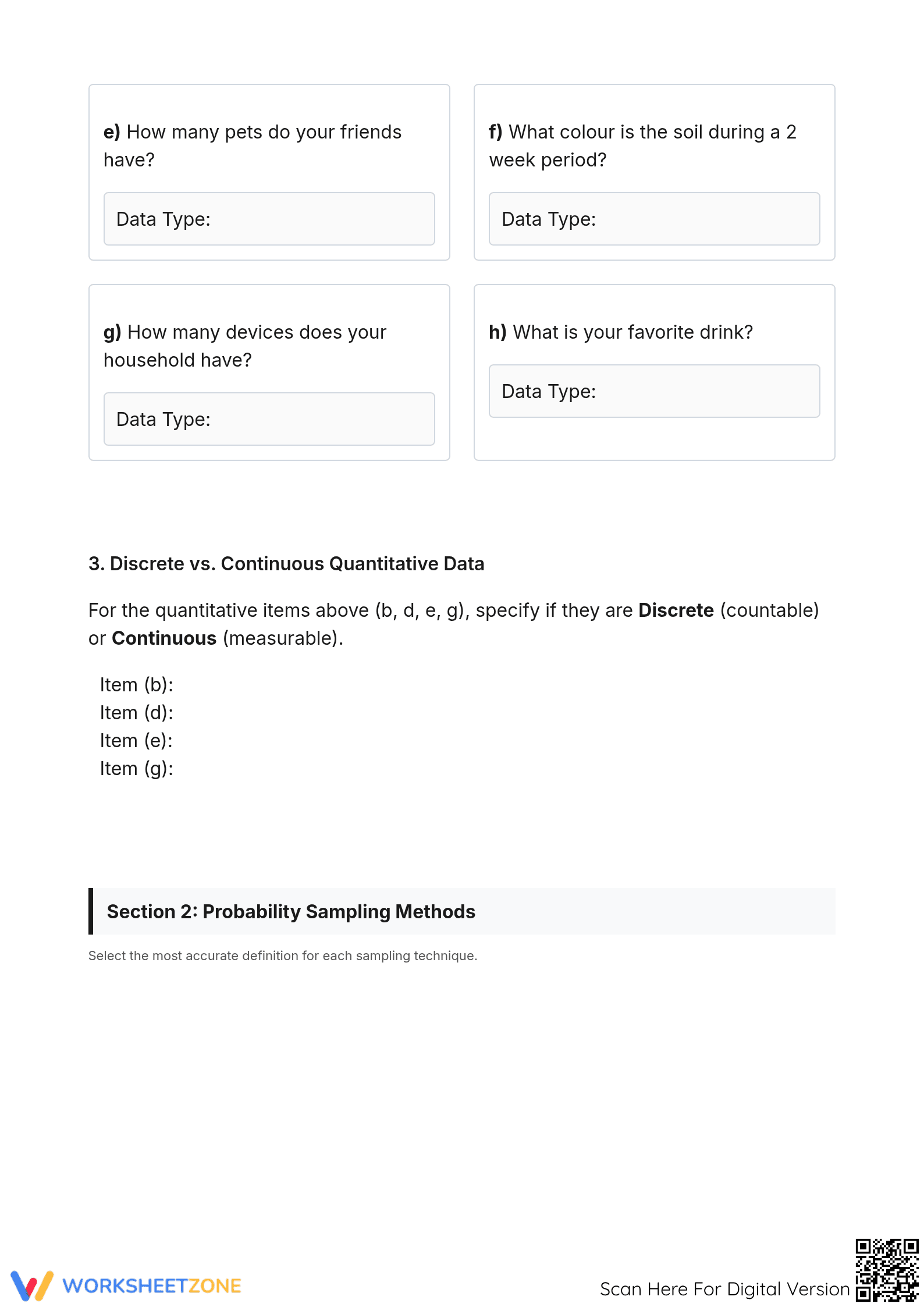
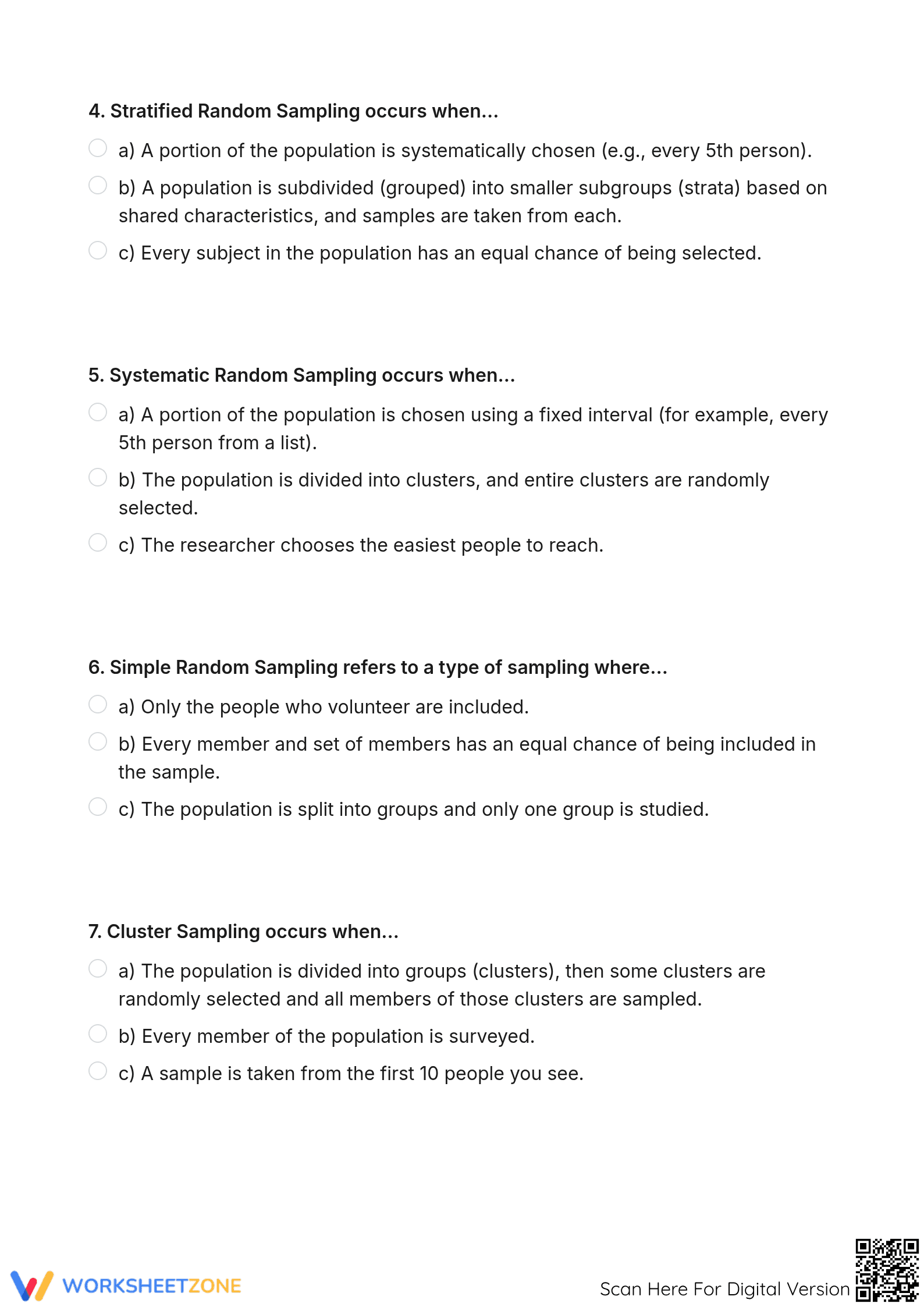
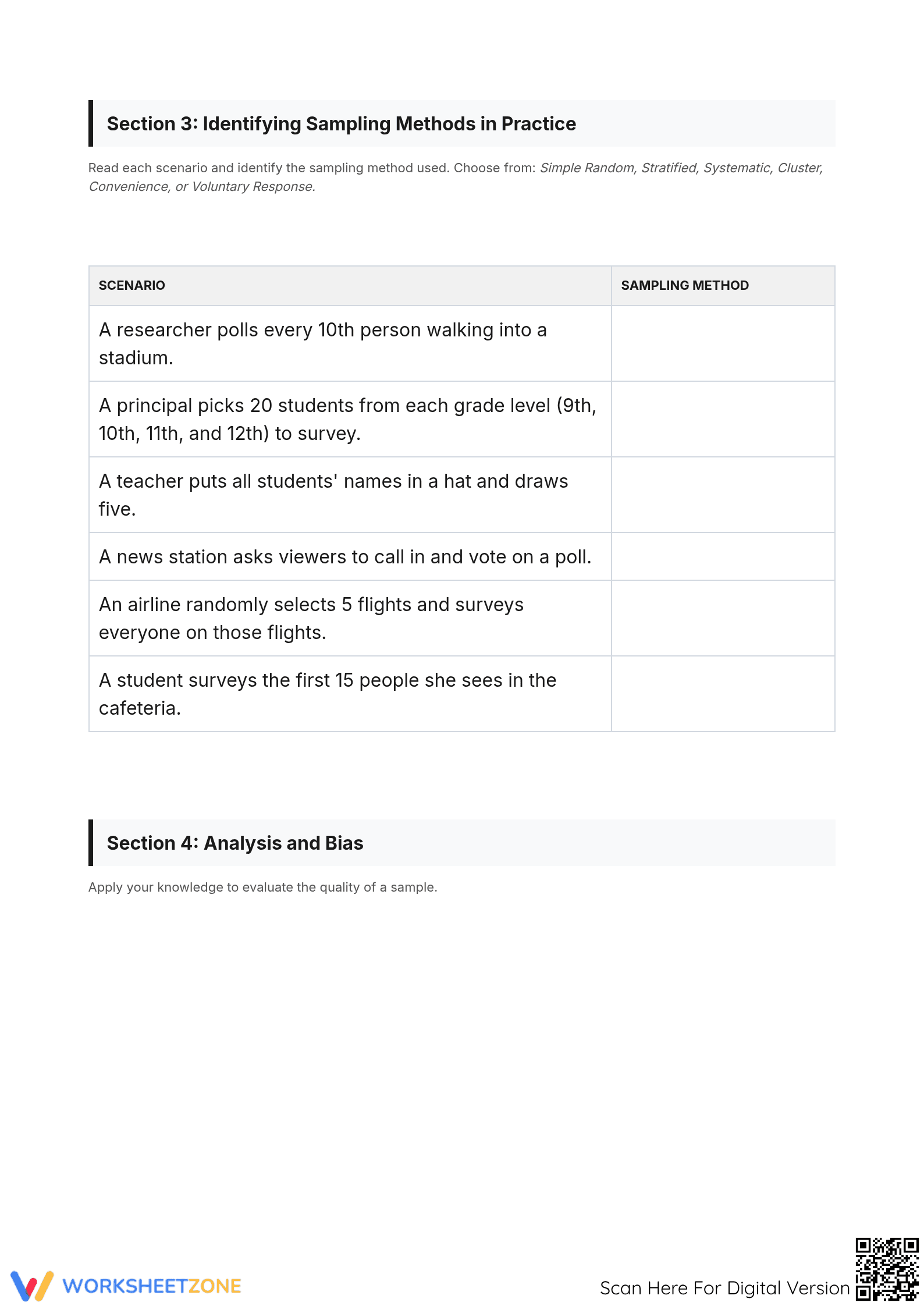


Printable Data Collection & Counting Worksheet | Grade 1 Math
Paste this activity's link or code into your existing LMS (Google Classroom, Canvas, Teams, Schoology, Moodle, etc.).
Students can open and work on the activity right away, with no student login required.
You'll still be able to track student progress and results from your teacher account.
This comprehensive Grade 1 math worksheet introduces young learners to the foundational concepts of data collection and organization. By engaging with relatable scenarios like student surveys and toy box inventories, students learn to count, categorize, and interpret information systematically. This essential resource builds the critical thinking skills necessary for advanced statistical analysis while maintaining a fun, accessible approach for primary students.
At a Glance
- Grade: 1 · Subject: Math
- Standard:
CCSS.MATH.CONTENT.1.MD.C.4— Organize, represent, and interpret data with up to three categories- Skill Focus: Data Collection and Counting
- Format: 5 pages · 22 problems · Answer key included · PDF
- Best For: Primary math centers and independent practice
- Time: 25–35 minutes
What's Inside
This 5-page PDF contains four parts plus a bonus section. Part 1 covers a fruit survey table. Part 2 features a toy box theme. Part 3 introduces a favorite pets survey chart, while Part 4 explores weather patterns. The packet concludes with tracing and sequence exercises, providing 22 tasks total with a full answer key.
Skill Progression
The worksheet follows a structured gradual-release model:
- Guided practice: Students count fruits within a clear table structure to build basic accuracy (3 tasks).
- Supported practice: Students identify specific categories within toy box groups and interpret class survey charts (12 tasks).
- Independent practice: Students apply counting skills to abstract weather icons and numerical sequences in the bonus section (7 tasks).
This progression ensures students move from concrete observation to confident data interpretation through an I Do, We Do, You Do approach.
Standards Alignment
This resource is directly aligned to `CCSS.MATH.CONTENT.1.MD.C.4`, which requires students to organize, represent, and interpret data with up to three categories. By asking and answering questions about the total number of data points and comparing categories, students meet the core requirements of the Common Core State Standards. Both standard codes can be copied directly into lesson plans, IEP goals, or district curriculum mapping tools.
How to Use It
This worksheet is ideal for independent practice. Distribute the pages after a short demonstration on how to read a chart. For formative assessment, observe students as they complete Part 3 to see if they can identify the "total number" of votes. The packet can be completed in one 30-minute block or split across sessions.
Who It's For
Designed for 1st-grade students, this resource is also suitable for Kindergarten extension or 2nd-grade review. The clear visuals and repetitive structure make it an excellent tool for English Language Learners (ELL) and students with IEPs who benefit from scaffolded math tasks. It pairs naturally with a classroom "Question of the Day" activity or an anchor chart showing different ways to represent data.
Early exposure to data collection is a strong predictor of later mathematical success. Fisher & Frey (2014) emphasize that the gradual release of responsibility—moving from teacher-led counting to independent data interpretation—is essential for internalizing categorical concepts. This Grade 1 worksheet provides the structured practice to bridge the gap between concrete objects and abstract data. By focusing on `CCSS.MATH.CONTENT.1.MD.C.4`, it ensures students develop the ability to ask and answer questions about data sets. This foundational skill, as highlighted in the RAND AIRS 2024 report, supports the development of logical reasoning and quantitative literacy. Educators can integrate this worksheet into their curriculum to provide a research-backed pathway toward meeting national standards in elementary mathematics.


