


























Views
Downloads
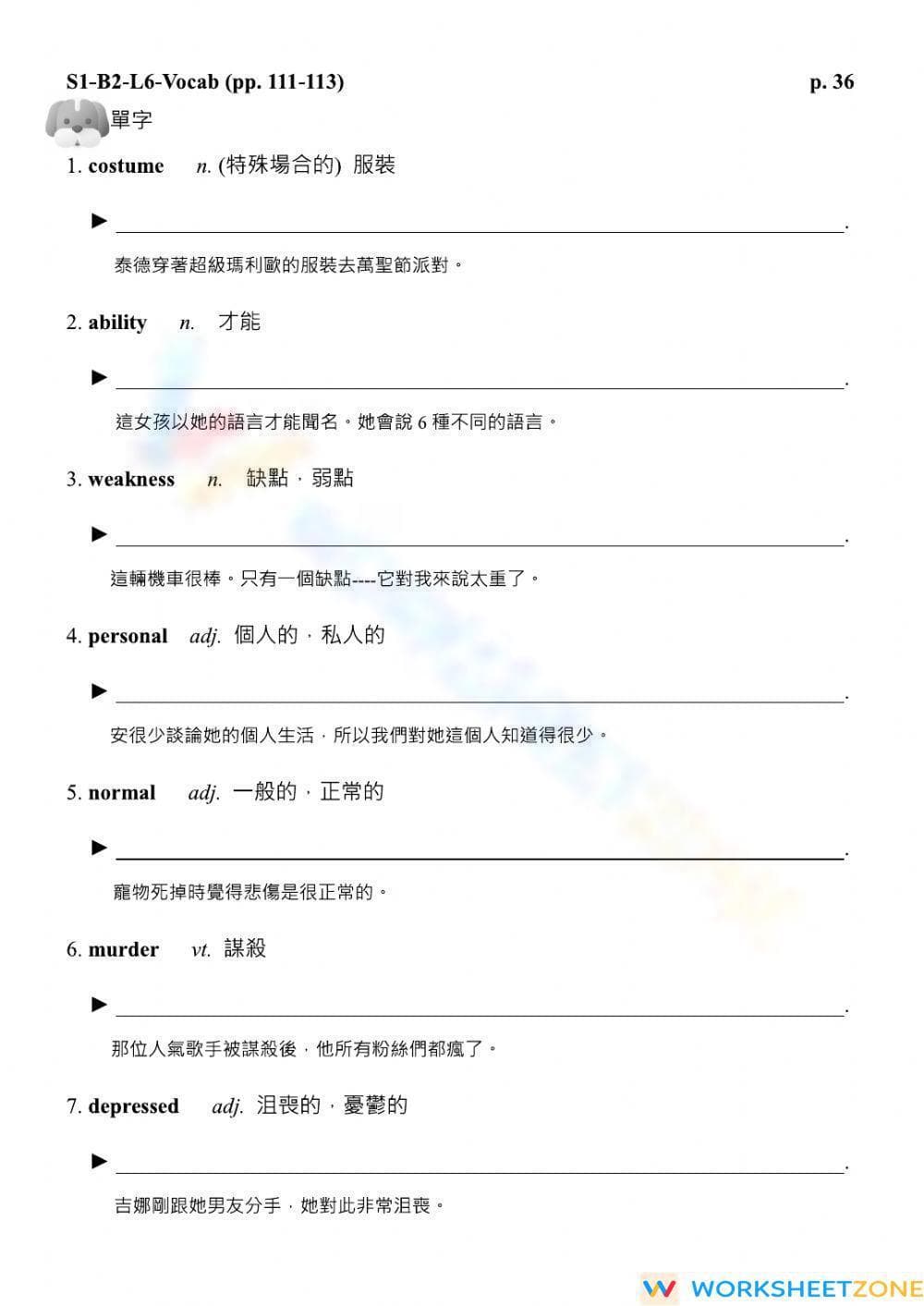

Grades 10-12 ELA Vocabulary — Printable No-Prep Worksheet
Paste this activity's link or code into your existing LMS (Google Classroom, Canvas, Teams, Schoology, Moodle, etc.).
Students can open and work on the activity right away, with no student login required.
You'll still be able to track student progress and results from your teacher account.
This printable worksheet provides focused vocabulary practice for high school students. It features seven high-utility academic words, each with a definition, part of speech, and example sentence. The resource is designed to build students' lexical foundation for tackling more complex grade-level texts.
At a Glance
- Grade: 10-12 · Subject: ELA, ESL
- Standard:
CCSS.ELA-LITERACY.L.9-10.4— Determine word meanings using context and reference materials.- Skill Focus: Vocabulary Acquisition
- Format: 1 page · 7 vocabulary words · No answer key needed · PDF
- Best For: Pre-teaching vocabulary, bell-ringer, sub plan
- Time: 10–15 minutes
What's Inside
This single-page PDF presents an organized list of seven academic vocabulary words. For each term, the worksheet provides the part of speech and a contextual example sentence. Chinese translations are also included, making this an excellent resource for English Language Learners and a useful reference.
Zero-Prep Workflow
This resource is engineered for immediate use, requiring less than two minutes of prep time, making it a reliable tool for sub plans or vocabulary drills.
- Print (1 minute): The resource is a single, easily printable page.
- Distribute (1 minute): Hand the worksheet out for individual study. The self-contained format requires no lengthy explanation.
- Review (5-10 minutes): After study, lead a quick review where students create new sentences, reinforcing their learning.
Standards Alignment
This worksheet directly supports skills in CCSS.ELA-LITERACY.L.9-10.4, which focuses on determining word meanings. By providing contextual examples, it gives students practice decoding meaning, a critical component of the standard. While optimized for ELLs, its clear structure benefits all students working on vocabulary development. The standard code can be copied directly into lesson plans or curriculum maps.
How to Use It
This vocabulary sheet is highly versatile. Use it before a new text to pre-teach terms, ensuring all students can access the content. As a bell-ringer, it focuses students at the start of class (10-15 mins). For a formative check, ask students to write a paragraph using three words. This allows you to quickly assess their ability to use the words correctly in context.
Who It's For
This resource is ideal for high school English Language Learners building academic vocabulary, with Chinese translations providing a direct scaffold. It's also effective for native speakers needing targeted reinforcement of tier-two vocabulary. Pair this sheet with a Frayer model graphic organizer to have students explore each word's definition, characteristics, and examples more deeply.
This high school vocabulary resource provides targeted practice aligned with CCSS.ELA-LITERACY.L.9-10.4, focusing on the critical skill of determining word meanings within context. The worksheet format, presenting seven words with definitions and example sentences, supports research on the effectiveness of direct vocabulary instruction combined with contextual exposure. According to a comprehensive analysis by Fisher & Frey (2014), robust vocabulary knowledge is a primary predictor of reading comprehension proficiency. This simple, no-prep tool gives students repeated, meaningful encounters with academic language, which is essential for building the lexical foundation required for success across all content areas. By bridging direct definition with application, the worksheet helps students internalize new terms, moving beyond rote memorization to active usage—a key goal for college and career readiness and a finding echoed in multiple NAEP reading assessments over the years.


