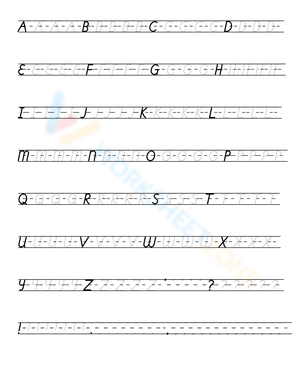
Why Cursive Capital Letters Need Their Own Practice
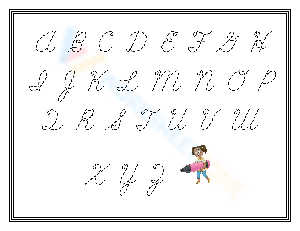
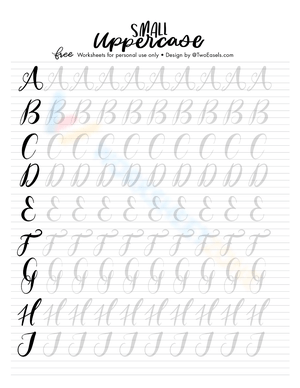
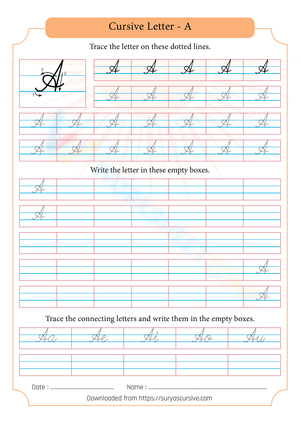
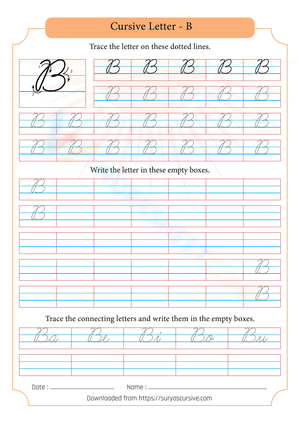
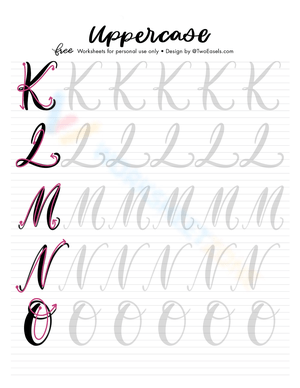
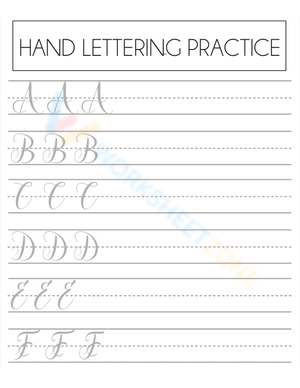
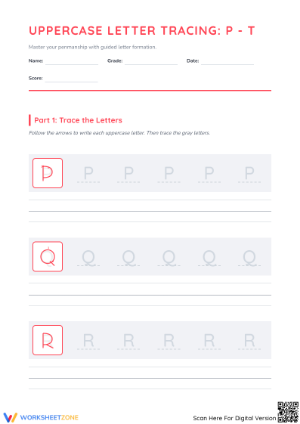
If you teach handwriting in grades 2 through 5, you already know that cursive capital letters behave differently from their lowercase partners. Capitals use distinct starting strokes, appear far less often in daily writing, and rarely connect to the letters that follow them. That combination means students get less incidental practice, so a focused stack of cursive capital letters worksheets does real work that general handwriting pages can't. Rather than treating capitals as an afterthought at the end of a lowercase unit, plan dedicated repetition for them. The payoff shows up when students write names, sentence beginnings, and proper nouns without stalling. Capitals also carry visual weight on the page, so sloppy formation is obvious to any reader. A short, predictable set of practice sheets gives students the reps they need to make each capital automatic, which frees working memory for spelling and composition later in the writing process.
Sequence Capitals by Stroke, Not the Alphabet
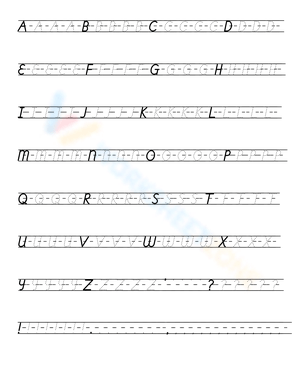
The fastest way to slow students down is to teach cursive capitals straight from A to Z. Alphabetical order jumps between unrelated motor patterns and forces learners to reset the hand every day. Group your worksheets by starting stroke instead. Cluster the curve-start capitals, then the loop-start capitals, then the retrace-start capitals so muscle memory builds within each family.
A stroke-based sequence usually looks like this:
- Curve and cane starts: A, C, E, O, and similar letters that open with a rounded approach.
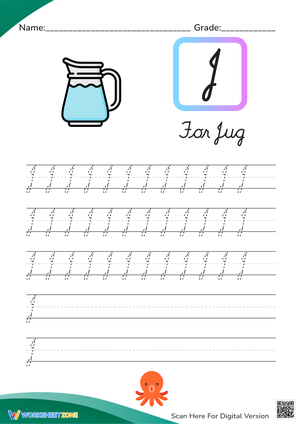
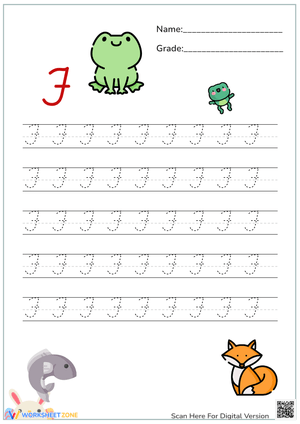
- Loop starts: I, J, and the tall looped capitals that share a downward return.
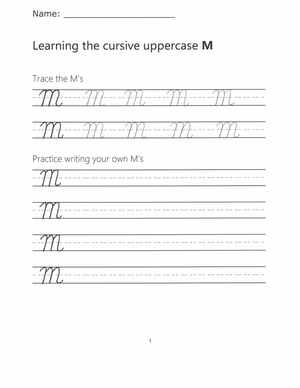
- Retrace and hump starts: M, N, and letters built from repeated vertical strokes.
When each worksheet reinforces one stroke family, students transfer skill from one capital to the next instead of starting over. That transfer is what turns twenty-six separate letters into a handful of learnable patterns.
Short Daily Blocks Beat One Long Weekly Session
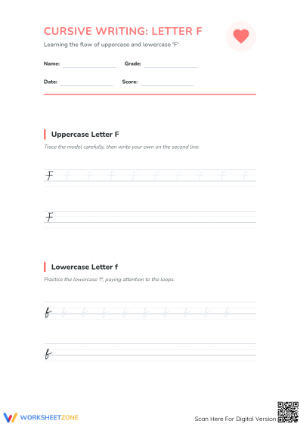
Here's the scheduling detail most handwriting plans miss: capital letters need spaced, high-frequency exposure even more than lowercase does, precisely because students almost never use them in connected writing. Five to ten focused minutes a day will beat a single thirty-minute Friday block nearly every time. In a short block, aim for three to four repetitions of one or two capitals, a quick self-check, then one applied use such as a name or a proper noun. Spacing the practice across the week keeps the motor pattern fresh and cuts the fatigue that makes late-page letters fall apart. It also fits the reality of an elementary schedule, where handwriting competes with everything else. Print your cursive capital letters worksheets as small daily strips rather than full pages, and you can slot them into a morning routine or a transition without losing a full period.
Connect Capitals to Names, Sentences, and Proper Nouns
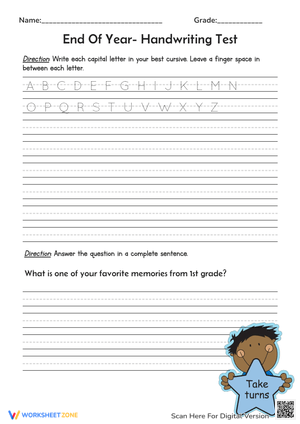
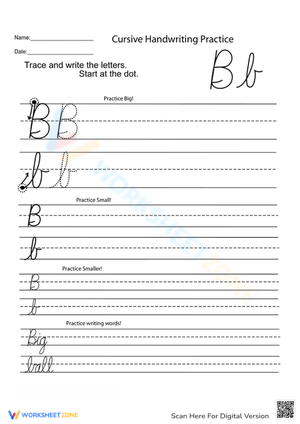
Capitals earn their keep at the start of sentences and inside proper nouns, so anchor practice there. Have students write their own first and last names in cursive during the same block they practice the matching capital. Add classmate names, school and city names, days, and months so the capital shows up in context students recognize. This does two things at once: it reinforces formation and it reminds students why the letter matters. When a worksheet asks a student to write Monday in October at Lincoln Elementary, every capital has a job to do. You can also pair capitals with sentence-opening practice so students rehearse the exact skill they need during composition. The more you tie the isolated letter to real writing, the faster the capital moves from a traced shape to an automatic tool.
Classroom Implementation
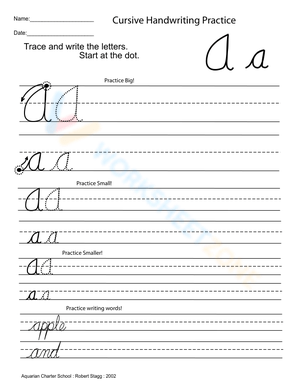
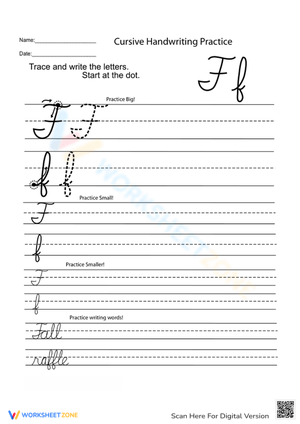
Build capitals into a routine your students can predict. Open each handwriting block with a modeled letter, projected or drawn stroke by stroke while you narrate the path. Then release students to their worksheet strip for guided practice, circulate for one round of feedback, and close with a single applied line. A weekly plan might introduce one stroke family, practice it across three days, and reserve the fourth day for a mixed review that pulls capitals from earlier weeks.
The policy trend also gives you cover for the minutes you spend. According to Education Week, the number of states requiring cursive instruction has climbed sharply, with more than half of US states now requiring or strongly encouraging it as of 2026, up from roughly 14 a decade earlier. That shift gives teachers concrete backing when they protect daily handwriting time.
Frequently Asked Questions
1. What grade level should introduce cursive capital letters?
Most US classrooms introduce cursive between second and fourth grade, with many state expectations calling for students to read and write cursive by the end of fifth grade. Capitals usually come after students can form lowercase letters with reasonable control, often midway through the cursive unit.
2. How many cursive capitals should students master before writing full sentences?
Aim for the capitals your students actually need first: the letters that start their names, your school, and your city, plus common sentence openers. Once students control one full stroke family, start mixing those capitals into short sentences rather than waiting for all twenty-six.
3. How long should a cursive capital practice session last?
Five to ten minutes of focused daily practice works better than one long weekly session. Short blocks keep the motor pattern fresh, reduce hand fatigue, and fit more easily into a packed elementary schedule.
4. Do cursive capital letters need to be taught in alphabetical order?
No. Grouping capitals by starting stroke, such as curve starts, loop starts, and retrace starts, helps students transfer skill from one letter to the next. Alphabetical order jumps between unrelated motor patterns and usually slows progress.
5. How can teachers support students who struggle with cursive capital formation?
Widen the tracing lines, enlarge the model, and add grip supports or a slant board. Start with forgiving curve-start capitals, cut the number of repetitions per line, and give verbal stroke cues students can repeat as an internal script.