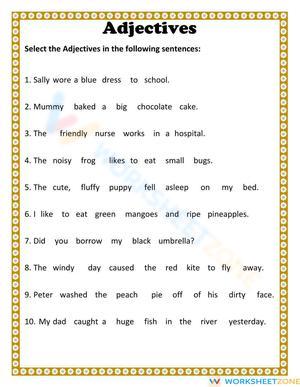
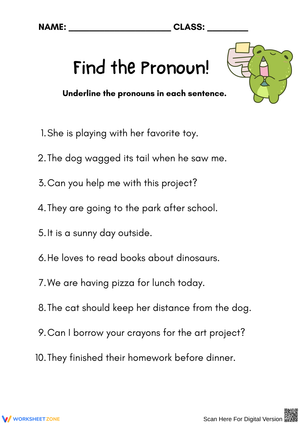
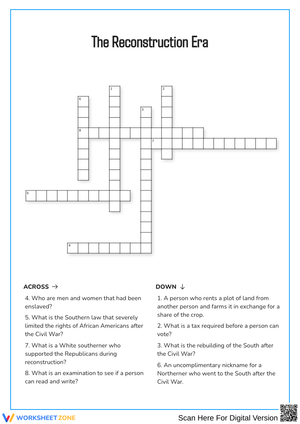
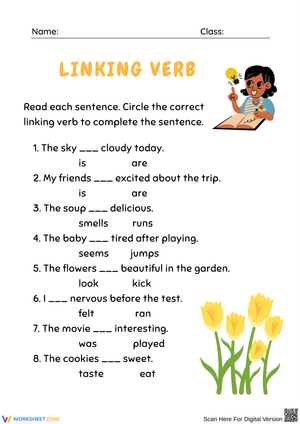
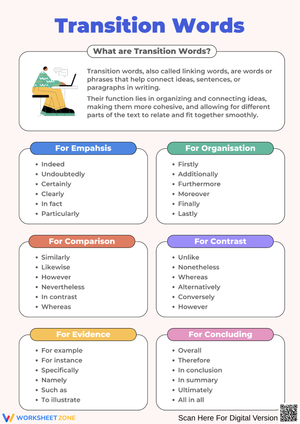
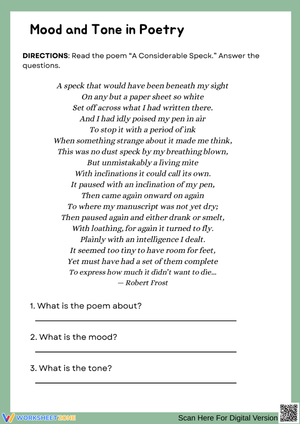
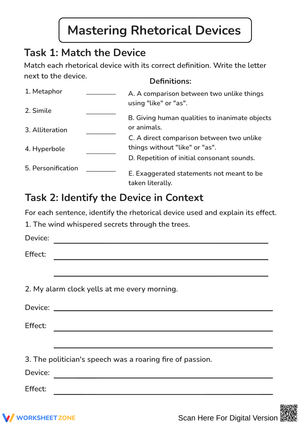
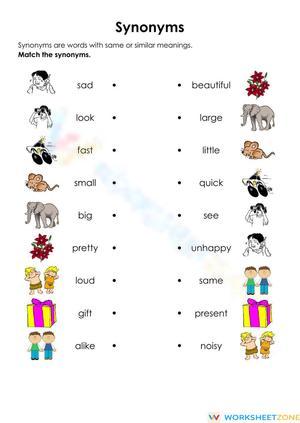
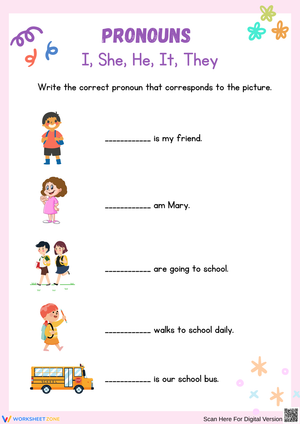
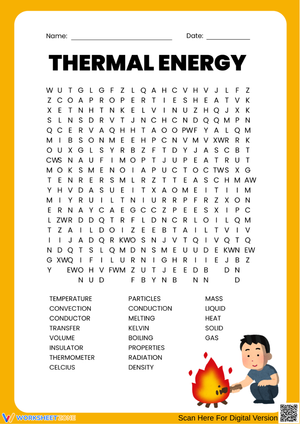
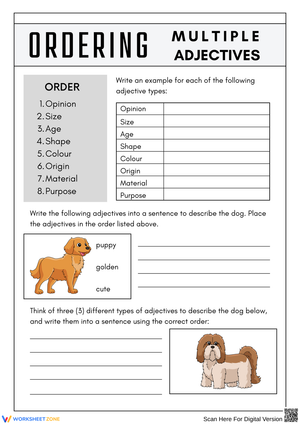
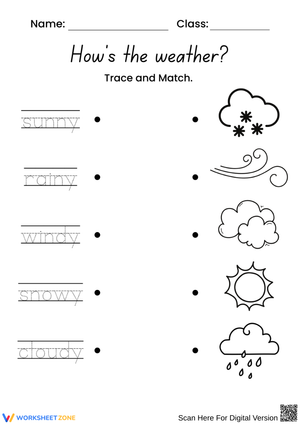
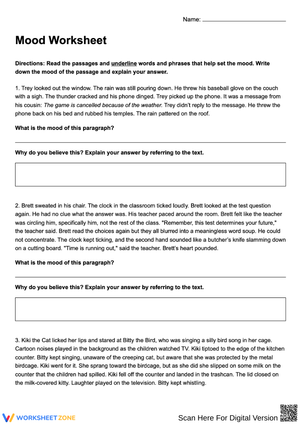
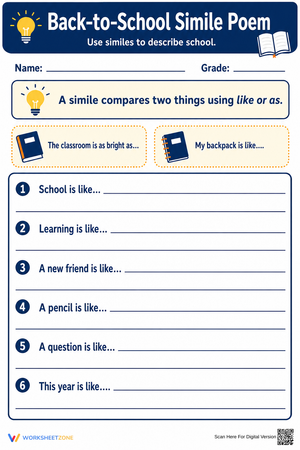
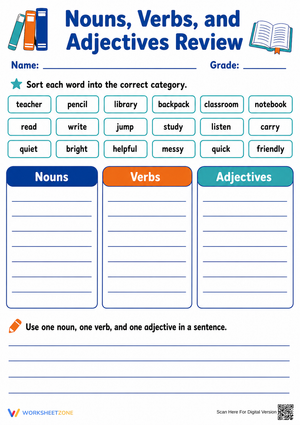
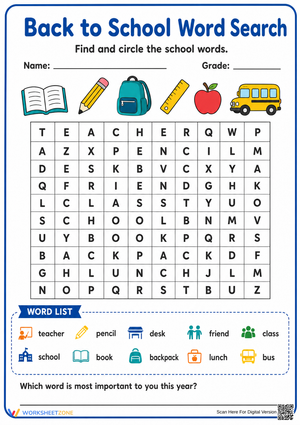
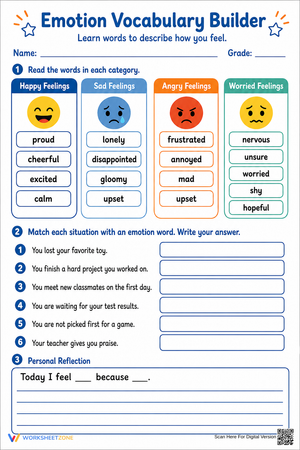
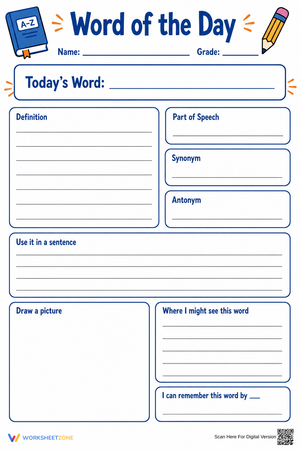
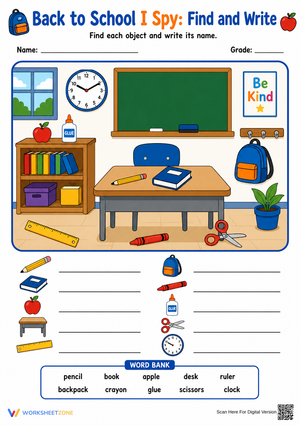
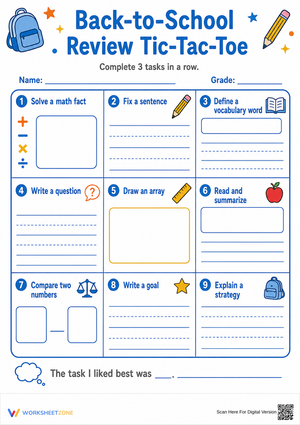
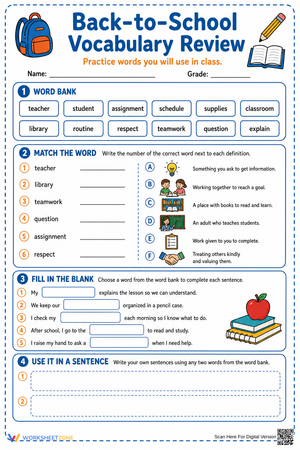
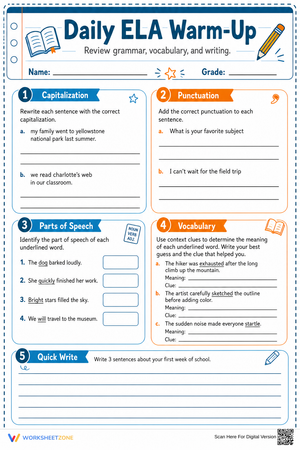
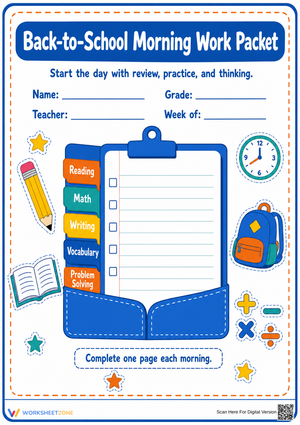
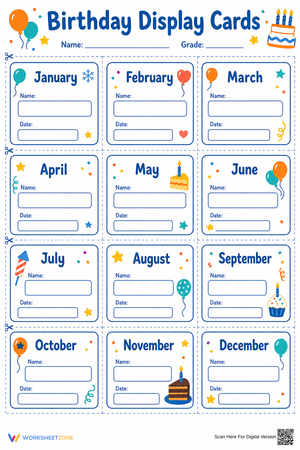
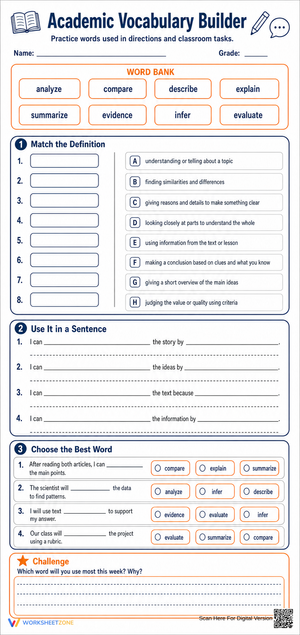
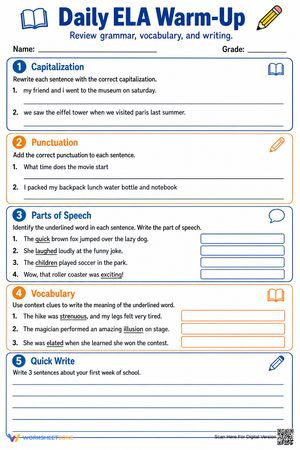
Grammar worksheets get a bad reputation when they are treated as busywork, but that is a design problem, not a format problem. Used well, a worksheet is a fast, low-prep way to give students focused reps on a single skill: subject-verb agreement, comma placement, pronoun-antecedent agreement, or sentence combining. For a US K-8 classroom juggling a packed ELA block, that efficiency matters. The keyword here, grammar worksheets, covers a huge range of use cases, from a five-minute warm-up to a full small-group intervention packet, and this article breaks down how to match the format to the instructional moment.
Grade-Banding Grammar Skills Under CCSS
One reason grammar can feel scattered across a school is that the CCSS Language Progressive Skills Standards concentrate heavily in the elementary years. Of the 18 total standards, 14 fall within grades 3 through 6, which means most explicit grammar and usage instruction lands on elementary teachers rather than being spread evenly across K-12.
That concentration has two practical implications for how you use grammar worksheets. First, elementary teachers need a wide bank of worksheets covering parts of speech, sentence types, capitalization, and punctuation, because so much of the standards load sits in their grade band. Second, middle school teachers are not starting from zero. They are reinforcing and extending skills students were first taught in elementary grades, so middle school grammar worksheets should lean toward application in longer, more complex sentences rather than reteaching basics from scratch.
When you are choosing or building a worksheet set, it helps to sort by grade band first and skill second. A third-grade teacher and a sixth-grade teacher might both be practicing subject-verb agreement, but the sentence complexity, vocabulary, and error types they are targeting should look noticeably different.
Avoiding Isolated Drill-and-Kill Practice Worksheets
Not every grammar worksheet needs to stand alone. Isolated grammar drill, correcting sentences that have no connection to anything else a student is reading or writing, has weak transfer to actual writing quality. The fix is not to abandon worksheets but to connect them to what students are already reading or drafting.
Effective grammar programs connect skills to reading and writing rather than teaching grammar in isolation, since isolated drill-and-kill practice has weak transfer to writing quality. A practical way to apply this is to pull sentences for a grammar worksheet directly from a class read-aloud or a mentor text students already know, so the practice sentences feel familiar rather than random.
Another option is to have students find and fix grammar issues in their own recent writing samples, using a worksheet format as a structured revision checklist. This keeps the low-prep convenience of a worksheet while grounding the practice in something students actually produced.
Classroom Implementation
To put this into practice without overloading your prep time, try building a simple rotation. Pick one grammar skill per week tied to your current writing unit. Open with a short mini-lesson and a guided worksheet completed as a class. Follow with an independent worksheet the next day, then a quick writing task where students apply the skill in their own sentences by the end of the week.
Keep a small stack of review worksheets on hand for skills taught earlier in the year, and pull one out whenever you notice the same error pattern reappearing in student writing. For mixed-ability classrooms, print two versions of the same worksheet, one with shorter, simpler sentences and one with longer, more complex sentences covering the identical skill, so every student is practicing the same concept at a level that fits them.
Finally, resist the urge to grade every grammar worksheet for a letter score. Many are more useful as no-stakes practice or formative checks that inform your next small-group pull, rather than graded assignments that add pressure without adding learning.
Frequently Asked Questions
1. How should teachers use grammar worksheets alongside reading and writing instruction rather than as isolated drills?
Pull example sentences from texts students are already reading, and follow up worksheet practice with a short writing task where students apply the same skill in their own sentences. This keeps grammar connected to real reading and writing rather than treating it as a standalone drill.
2. What grammar skills does CCSS expect at each elementary and middle school grade band?
CCSS concentrates most grammar instruction in grades 3 through 6, where 14 of the 18 Language Progressive Skills Standards fall. Elementary teachers should expect to cover most core parts of speech, sentence types, and punctuation rules, while middle school teachers reinforce and extend those same skills in longer, more complex sentences.
3. How can grammar worksheets support small-group intervention for students behind on language standards?
Keep intervention worksheets narrow, focused on one specific skill with a handful of sentences, so students see the same error pattern corrected repeatedly. Pairing the worksheet with a short verbal check helps you tell whether the gap is understanding the rule or applying it under writing pressure.
4. How often should grammar be reviewed across the school year given its cyclical nature in CCSS?
Grammar skills should be revisited regularly rather than taught once, since CCSS expects the same conventions to be reinforced across multiple grade bands. A short review worksheet at the start of each new writing unit is a practical way to check retention before students begin drafting.












 Interactive Worksheet Maker
 Quiz Maker
 Word Search Maker
 Crossword Puzzle Maker
 Word Scramble Generator
 Sentence Scramble Generator
 Handwriting Worksheet Generator
 Name Tracing Generator
 Fill In The Blank Generator




 BACK TOSCHOOL