




















Soft skills activities for high school students don’t have to be boring worksheets or awkward icebreakers. In fact, when done right, they can spark real conversations, boost confidence, and get students thinking like future leaders, collaborators, and problem-solvers. In this post, you’ll discover 10+ interactive, classroom-ready activities that turn essential soft skill development into something teens will actually look forward to. Whether you’re building communication skills, encouraging teamwork, or fostering emotional intelligence, these activities bring life skills to life.
10+ soft skills activities for high school students
From debate clubs to entrepreneurial ventures, these activities blend learning with real-world application.
1. Role-Playing Scenarios

Ever wondered how students would react in real-world situations like a job interview or a tricky social conflict? Role-playing lets them step into different roles, sharpening their communication, empathy, and problem-solving skills. By practicing these interactions in a safe setting, they’ll gain confidence and adaptability—key traits for thriving in school, work, and life!
Materials Needed: Scenario cards or scripts.
How to Do It:
- Assign roles based on real-life situations.
- Students act out scenarios while others observe.
- Conduct a group discussion on effective communication strategies and areas for improvement.
2. The Communication Tower Challenge
Can your students work together to build the tallest tower—without chaos? This hands-on challenge forces them to rely on teamwork, patience, and clear communication. Whether using marshmallows and spaghetti or LEGO bricks, this fun activity highlights why listening, leadership, and collaboration matter in every aspect of life.
Materials Needed: Marshmallows and spaghetti sticks (or Legos).
How to Do It:
- Divide students into small groups.
- They must build the tallest structure while following communication rules (e.g., silent leaders, timed instructions).
- Reflect on teamwork strategies and communication effectiveness.
3. Mock Job Interviews
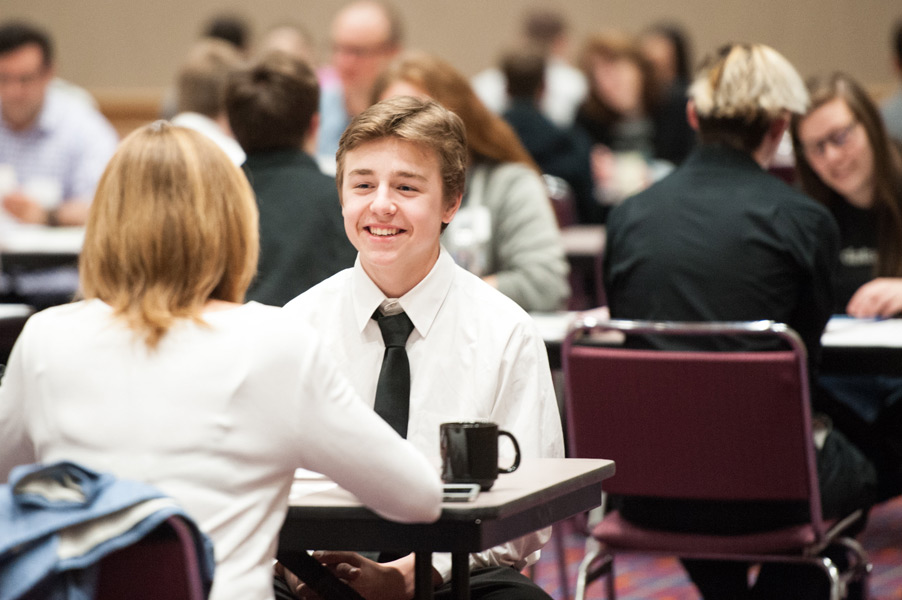
Job interviews can be nerve-wracking, but practice makes perfect! This engaging activity prepares students for real-world job interviews by helping them develop confidence, articulate their thoughts clearly, and understand professional etiquette. With constructive feedback, they’ll leave feeling more prepared to impress future employers!
Materials Needed: Interview question list, evaluation rubric.
How to Do It:
- Pair students and assign interviewer/interviewee roles.
- Conduct mock interviews using pre-prepared questions.
- Provide feedback on communication, confidence, and clarity.
4. Problem-Solving Escape Room
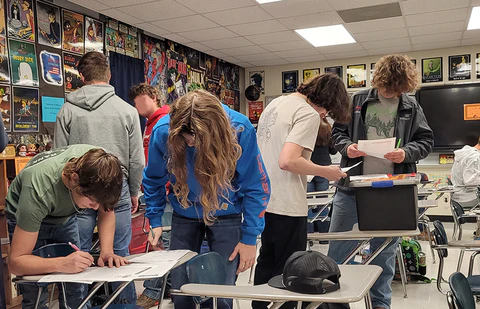
Think fast, work together, and break free! Escape rooms are a thrilling way to challenge students’ problem-solving and teamwork skills. With time ticking down, they must solve puzzles, crack codes, and communicate effectively to “escape.” This activity builds resilience, critical thinking, and adaptability—skills that are invaluable beyond the classroom.
Materials Needed: Printable escape room challenges or online escape room platforms.
How to Do It:
- Set up a series of puzzles and clues related to a theme.
- Teams must work together to solve them within a time limit.
- Discuss the importance of collaboration and strategy.
5. Peer Mediation Exercises

Conflict is a part of life, but knowing how to resolve it peacefully is a game-changer. In this role-play activity, students become mediators, helping their peers find fair solutions to everyday disagreements. By practicing active listening and negotiation, they’ll build stronger relationships and gain skills they can use in any social or professional setting.
Materials Needed: Mediation guidelines, role-play scripts.
How to Do It:
- Assign students mediator roles and conflict scenarios.
- Have mediators guide discussions to find resolutions.
- Reflect on active listening and negotiation skills.
6. Public Speaking Challenges

Speaking in front of a crowd can feel intimidating, but it’s a skill that opens doors! This fun challenge helps students build confidence, organize their thoughts, and engage an audience. With each round, they’ll conquer stage fright and sharpen their ability to express ideas clearly.
Materials Needed: Prepared topics, timer, feedback sheets.
How to Do It:
- Assign each student a topic to present on for 2-3 minutes.
- Encourage the use of eye contact, gestures, and vocal variety.
- Provide constructive feedback to help students improve.
7. Time Management Simulation

Ever felt like there’s never enough time in the day? This simulation puts students in real-life scenarios where they must juggle tasks, prioritize deadlines, and avoid distractions. It’s a hands-on way to build better habits for academic success and beyond!
Materials Needed: Task cards, timers, planners.
How to Do It:
- Assign students various tasks with strict deadlines.
- Have them prioritize and plan their schedule.
- Discuss time management strategies and reflection.
8. Debate Club

Can your students argue their point and win? Debating teaches critical thinking, persuasion, and the power of a well-structured argument. This exciting activity encourages research, confidence, and the ability to see both sides of an issue—great skills for life!
Materials Needed: Debate topics, timer, judging rubric.
How to Do It:
- Assign students to teams for a structured debate.
- Encourage research and preparation before presenting arguments.
- Provide feedback on clarity, persuasion, and delivery.
9. Active Listening Exercises

Communication isn’t just about talking—it’s about truly listening! This interactive exercise helps students master the art of active listening, improving their ability to focus, respond thoughtfully, and build meaningful connections with others.
Materials Needed: Conversation prompts, blindfolds (optional).
How to Do It:
- Pair students and assign one as the speaker and one as the listener.
- The listener must repeat key points to confirm understanding.
- Discuss the importance of eye contact, nodding, and summarizing.
10. Leadership Role Assignments

Great leaders aren’t born—they’re made! This activity challenges students to step up, take charge, and delegate effectively. Whether leading a project or guiding a team, they’ll build confidence and decision-making skills essential for future success.
Materials Needed: Task lists, group projects.
How to Do It:
- Assign leadership roles in small group projects.
- Rotate leaders and evaluate their effectiveness.
- Reflect on the qualities of a strong leader.
11. Community Service Projects

Community service projects provide students with valuable hands-on experience in teamwork, empathy, and leadership. Engaging in service-oriented activities allows students to connect with their communities while developing responsibility and problem-solving skills.
How to Do It:
- Identify a local charity, shelter, or community organization that needs volunteers.
- Organize students into teams and assign them different responsibilities (e.g., planning, fundraising, executing the project).
- Encourage students to reflect on their experiences and discuss how their contributions made a difference.
Why are soft skills important for high school students?
Employers rank soft skills like communication, problem-solving, and teamwork as top priorities for hiring, even over technical expertise. For students, these skills:
- Boost employability: 93% of employers prioritize soft skills in hiring decisions.
- Enhance academic performance: Collaborative projects and critical thinking improve engagement and retention.
- Foster resilience: Emotional intelligence and adaptability help students navigate stress and uncertainty
FAQs
1. How do you teach soft skills in high school?
Teaching soft skills involves interactive activities, discussions, and real-life applications. Strategies include:
- Role-playing and hands-on activities.
- Group projects to enhance teamwork.
- Real-world practice through mock interviews and presentations.
- Continuous feedback and self-assessment.
2. What are some key soft skills that high school students should develop?
The most important soft skills for high school students include:
- Communication and active listening: Helps students express ideas clearly and understand others effectively.
- Teamwork and collaboration: Teaches how to work well with others, share responsibilities, and achieve group goals.
- Leadership and problem-solving: Builds confidence, initiative, and the ability to think critically under pressure.
- Time management and adaptability: Encourages organization and flexibility when handling multiple tasks or changes.
- Emotional intelligence and conflict resolution: Supports healthy relationships by managing emotions and resolving issues calmly.
Final thoughts
Soft skills activities for high school students are key to preparing them for life beyond the classroom. By incorporating engaging, hands-on experiences, teachers can foster communication, leadership, and problem-solving in a fun, practical way. Start implementing these activities today—just one a week can make a lasting impact. Ready to transform your classroom? Choose an activity, dive in, and watch your students thrive far beyond the textbook!
Explore our collection of engaging Social Skills Worksheets to help your students practice communication, empathy, and teamwork in meaningful ways.


