




















Integrating brain breaks for the classroom is the secret sauce for maintaining student focus and managing energy levels throughout a demanding school day. When learners feel fatigued or overstimulated, a quick cognitive reset can prevent burnout and significantly improve information retention. These brief intervals aren’t just “time off”; they are strategic tools designed to reconnect the mind and body. Whether you have 30 seconds or five minutes, these 40 activities will keep your students engaged, refreshed, and ready to learn.
40 brain breaks for the classroom
Here are 40 brain breaks for the classroom that can easily be integrated into your day to boost student focus, energy, and overall engagement.
1. Jumping jacks for 30 seconds

Nothing beats a classic. Have the whole class stand up and perform jumping jacks for a quick 30-second burst. It’s an immediate way to raise the heart rate and clear out the mental cobwebs that accumulate during long lectures.
2. Stretch arms to the ceiling, then touch toes
Encourage students to reach as high as they can toward the ceiling, as if they’re grabbing stars, then slowly fold forward to touch their toes. This stretch releases tension in the lower back and hamstrings, which often tighten up after hours in a desk chair.
3. Desk chair twists
While seated, have students plant their feet firmly on the floor and rotate their torso to one side, holding the back of their chair for a gentle stretch. Repeat on the other side. This is a great “micro-break” that helps with spinal mobility without requiring much space.
4. March in place silently

Ask students to march in place but with a “ninja” twist: they have to be as silent as possible. This requires physical exertion combined with muscle control and balance, making it a double-win for physical and mental regulation.
5. Balance on one foot, then switch
Challenge the class to balance on one foot for 15 seconds, then switch to the other. To make it harder, ask them to close their eyes. This forces the brain to focus entirely on proprioception and core stability, effectively “resetting” their concentration.
6. Wall push-ups
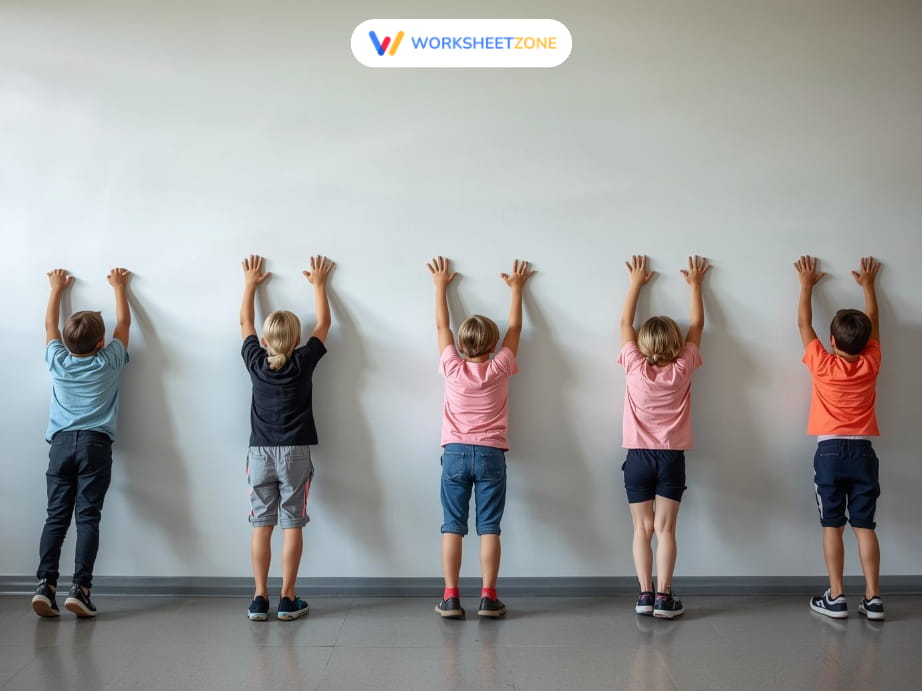
If you have available wall space, have students place their hands against the wall and perform 10 quick push-ups. This provides heavy proprioceptive input, which is particularly grounding for students who feel “fidgety” or over-energized.
7. Freeze dance (10-20 seconds of music)
Play a high-energy song for 20 seconds and let everyone dance like no one’s watching. The catch? When the music stops, they must freeze instantly. This is a fantastic way to practice inhibitory control while having a blast.
8. Shoulder rolls forward and backward
Have students roll their shoulders forward 5 times and backward 5 times. We tend to carry a lot of stress in our upper back and neck; these rolls help melt away that physical “weight” of schoolwork.
9. Air squats

Lead the class in 10 controlled air squats. Engaging the large muscles in the legs is one of the fastest ways to trigger a release of endorphins, making students feel more alert and positive for the next lesson.
10. Pretend to climb an invisible ladder
Tell students to pretend they are climbing a giant, invisible ladder. They should reach high with their arms and pull down while lifting their knees high. It’s a full-body movement that looks silly but works wonders for circulation.
11. Deep breathing: inhale 4, exhale 4
This simple rhythmic breathing exercise involves inhaling through the nose for a count of 4 and exhaling through the mouth for a count of 4. It’s a scientifically proven way to calm the nervous system and reduce test anxiety.
12. Silent count to ten

The challenge is for the class to count to 10, one person at a time, without any preset order. If two people speak at once, the count starts over. This requires intense listening and “reading the room,” fostering a sense of calm community.
13. Close eyes and listen for classroom sounds
Ask everyone to close their eyes and sit perfectly still for 30 seconds. Their goal is to identify three distinct sounds they usually ignore – like the hum of the AC, a distant car, or a clock ticking. This builds acute auditory focus.
14. Five-finger breathing
Students trace the outline of their hand with a finger from the opposite hand. As they move up a finger, they inhale; as they move down, they exhale. It’s a tactile, visual, and respiratory break all rolled into one.
15. Body scan from head to toes

Starting at the toes and moving up to the head, have students briefly “check in” with each body part, noticing any tension and intentionally relaxing it. It’s a foundational mindfulness skill that helps students recognize where they hold stress.
15. Imagine your favorite place
Give students one minute to close their eyes and imagine their “happy place” in vivid detail. Ask them to think about what it smells like, the temperature of the air, and what they see. This brief mental vacation reduces cortisol levels instantly.
17. Calm coloring for one minute

Keep a stack of simple mandals or patterns on hand. Giving students 60 seconds of quiet coloring can be incredibly meditative, allowing the “logical” side of the brain to rest while the “creative” side takes over.
18. Draw a simple shape without lifting the pencil

Ask students to pick up a pencil and draw one continuous shape or doodle without lifting the lead from the paper for a full minute. This “flow state” activity is excellent for settling a scattered mind.
19. Slow neck stretches
Have students slowly drop their chin to their chest, then ear to shoulder. Remind them to move like they are underwater. This prevents the “tech neck” that comes from staring down at tablets or notebooks for too long.
20. Mindful blinking exercise
Challenge students to blink rapidly for 15 seconds, then keep their eyes closed for 15 seconds. This helps lubricate the eyes (great for digital eye strain) and provides a momentary sensory “blackout” to reset the brain.
21. Would you rather…? (quick question)
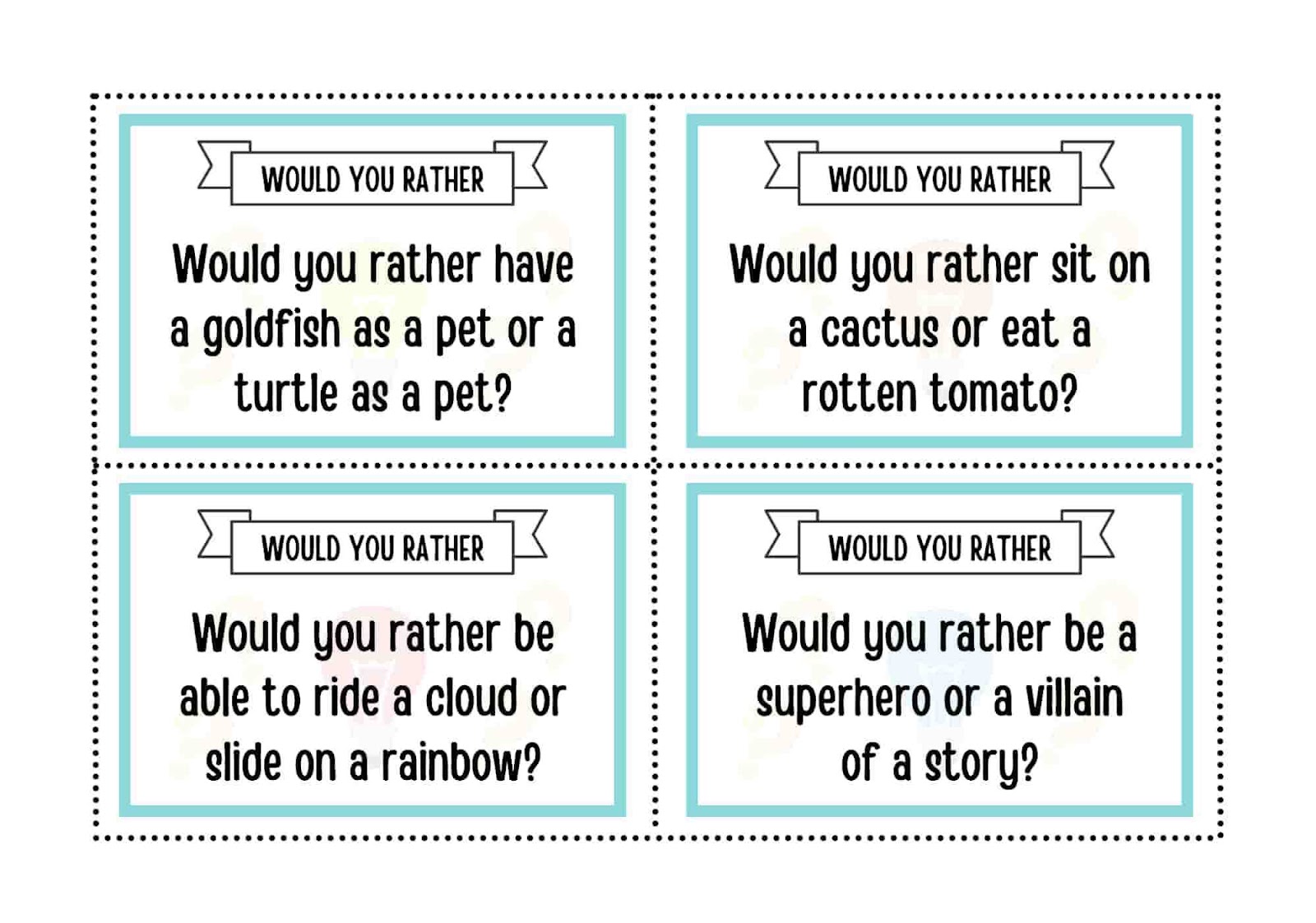
Pose a quick, silly “Would you rather?” question (e.g., “Would you rather have cheese for hair or noodles for fingers?”). Let students share their choices with a neighbor. It’s a low-stakes way to spark some quick dopamine-boosting laughter.
22. One-minute storytelling (one sentence per student)
Start a story with one sentence, then point to a student to add the next. Keep it moving fast! The goal isn’t a masterpiece; it’s the quick-thinking “improv” nature of the activity that refreshes the mind.
23. Riddle of the day

Share a short, brain-teasing riddle and give the class 30 seconds to solve it. Riddles encourage lateral thinking and provide a satisfying “aha!” moment that can re-energize a sluggish classroom.
24. Alphabet categories (name items A-Z)
Pick a category (like “Animals” or “Fruit”) and see how fast the class can name one item for every letter of the alphabet. This is a great “retrieval” exercise that keeps the brain’s filing system sharp.
25. Word association chain
Start with a word like “Blue.” The next student says “Ocean,” the next says “Fish,” and so on. See how far the chain can go before someone gets stuck. It’s a fast-paced way to build neutral connections.
26. Word search challenge

Give students a small word search to complete in under one minute, either printed out or displayed on the board. This quick, focused activity helps students reset their attention while encouraging word recognition and scanning skills.
To save prep time, you can use a Word Search Generator to instantly create custom puzzles featuring current vocabulary words or seasonal themes.
27. Tongue twisters
Challenge the class to repeat a classic tongue twister 3 times as fast. Trying to say “She sells seashells” without stumbling usually ends in giggles, which is a great way to break the tension in the room.
28. Guess the mystery object (describe without naming)
Describe an object in the room without naming it, using only three adjectives. Students have to guess what it is. This encourages descriptive language and observational skills in a playful format.
29. Two truths and a lie (fast version)

Pick one student to quickly share two facts and one lie about themselves. The class votes on the lie. It’s a high-engagement social break that helps students (and teachers) get to know each other better.
30. Finish the sentence prompt
Provide a prompt like, “If I could fly, the first place I’d go is …” and have students shout out their answers on the count of three. The “popcorn” style of response keeps everyone on their toes.
31. Rapid-fire trivia question
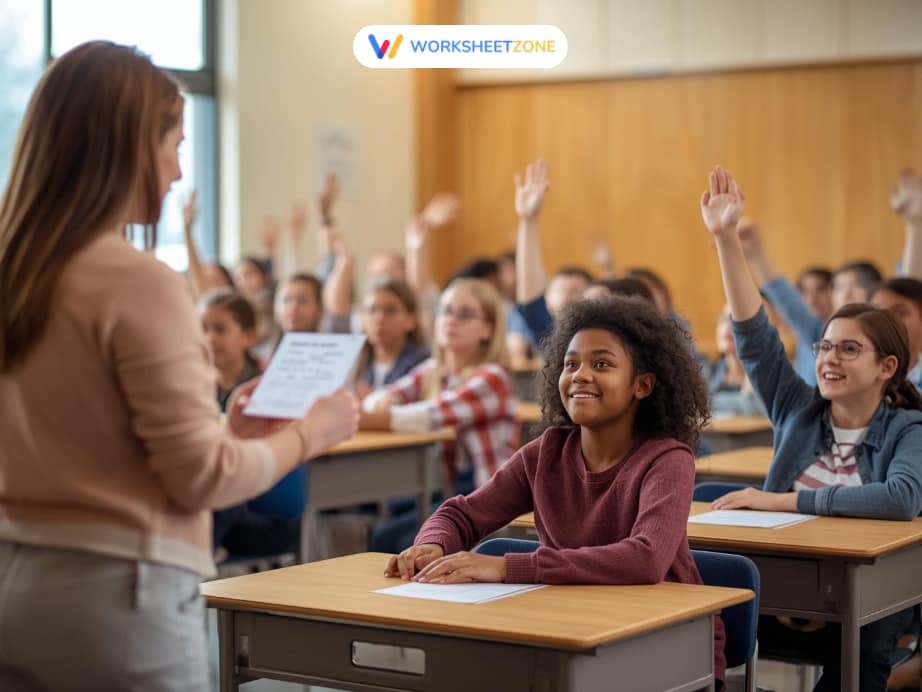
Ask one random trivia question (e.g., “What is the capital of France?”). The first person to raise their hand and get in right gets a “virtual high five.” It’s a five-second break that injects a little healthy competition.
32. Follow-the-leader movements
Pick a “leader” to perform a series of simple movements (clapping, touching their nose, hopping) that the rest of the class must mimic. It builds collective focus and coordination.
33. Simon Says (short round)
A quick, two-minute game of Simon Says is excellent for practicing active listening. Make it fast-paced to keep the energy high and the engagement levels even higher.
34. Mirror a partner’s movements
Students pair up and face each other. One is the “actor” and the other is the “mirror.” As the actor moves slowly, the mirror must match them perfectly. It’s a great exercise in empathy and non-verbal communication.
35. Clap a rhythm, students repeat

Clap out a short, rhythmic pattern and have the students clap it back to you. Gradually make the patterns more complex. This uses the auditory and motor cortex simultaneously, which is great for brain integration.
36. Copy the teacher’s pose
Strike a “power pose” (like a superhero) or a silly pose and have the class copy you. Holding a “power pose” for even 30 seconds can actually boost confidence and lower stress hormones.
37. Act out an animal silently

Whisper an animal to a student and have them act it out without making a sound. The rest of the class guesses. It’s a “mini-charades” session that provides a fun, low-pressure social break.
38. Slow-motion movements
Challenge the class to move from their desks to the door (or just stand up) in extreme slow motion. It’s surprisingly difficult and usually results in a lot of silent laughter and focused muscle control.
39. Invisible jump rope
Have everyone stand up and “jump rope” with an imaginary rope for 30 seconds. It’s a great way to get the “wiggles” out without the hazard of actual ropes flying around the classroom.
40. Desk yoga pose

Teach the class a simple standing yoga pose, like “Tree Pose” (balancing with one foot on the inner calf). Yoga helps with balance, focus, and physical grounding, making it the perfect end to a brain-break session.
Final thoughts
Implementing brain breaks for the classroom isn’t about wasting time; it’s about making the time you have more effective. By alternating between high-energy movement and mindful stillness, you cater to the diverse needs of your students and keep their “learning engines” running smoothly. Try picking three of these to rotate through this week and watch the transformation in your classroom’s productivity.


