




















The invention of cursive writing marks a fascinating chapter in human communication history. Originally developed to enhance writing efficiency, cursive has evolved from a practical necessity to an art form that continues to spark debate in modern education. But why was cursive invented, and what role does it play in today’s digital world? In this guide, we will explore the origins of cursive writing, why it became essential in education, and whether it still holds relevance in today’s digital age. We’ll also provide tips on how to support children learning cursive writing, along with valuable resources to improve handwriting skills. Enjoy!
Why was Cursive Invented? The History of Cursive Writing
Cursive writing, or the art of joining letters together in a continuous flow, didn’t just appear overnight. Its development can be traced back to the 16th century and was designed to make writing faster and more efficient. In this section, we’ll explore the evolution of cursive and how it became the standard form of handwriting in many parts of the world.

1. Early Origins of Cursive Writing
The roots of cursive writing can be found in the ancient Roman Empire, where scribes used a form of writing called “cursiva” or “scriptura cursiva.” This early form of cursive was designed to facilitate quick note-taking and record-keeping, especially for those who had to write on parchment or wax tablets. It was an improvement over the more laborious square Roman script used for inscriptions, allowing writers to jot down notes and letters more efficiently.
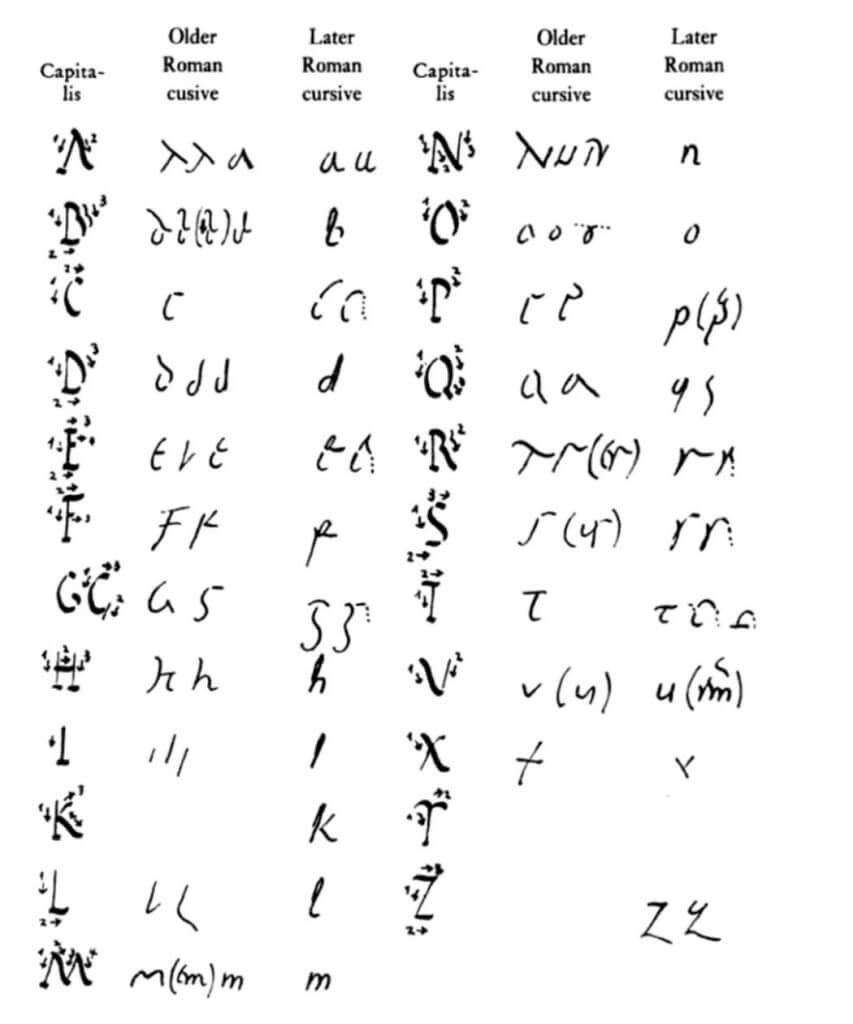
As centuries passed, cursive evolved. In the 17th century, European educators began formalizing cursive as a faster alternative to the traditional block letters that were commonly taught in schools. In the 18th century, English penmanship masters like John Hancock (whose signature is now synonymous with cursive) popularized it further, particularly in the United States.
2. Cursive in the 19th Century
By the 1800s, cursive writing had become a standard practice in education systems across Europe and America. Many schools, especially in the U.S., taught students to write using cursive, considering it an essential skill for professional communication. The Palmer Method and other handwriting techniques introduced in the late 19th century focused on mastering fluid, elegant cursive as part of a student’s basic education.
Why Did We Learn Cursive?
Learning cursive was not just about making writing look nice; there were practical reasons for it. For centuries, cursive writing has been an essential part of education. In this section, we’ll dive into the importance of cursive writing and why it was so essential for learners.
1. Efficiency and Speed
One of the primary reasons why cursive writing was invented was to improve the speed of writing. When ink pens were first introduced, the process of writing in block letters was time-consuming and laborious. Mastering cursive enabled individuals to write much faster by joining letters together in a fluid motion, reducing the time spent lifting the pen from the paper.
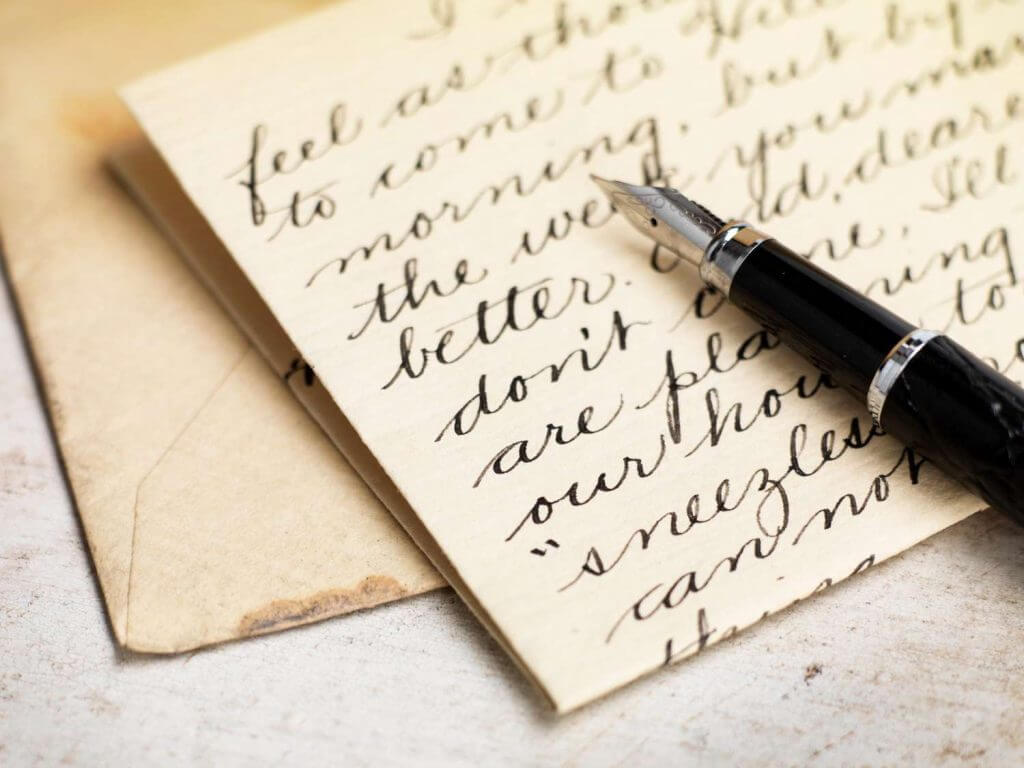
By making writing faster, cursive became indispensable for administrative tasks, letter writing, and even for students who needed to take notes quickly during lectures or meetings.
2. Legibility and Form
In the days before digital communication, people relied heavily on written correspondence. Cursive writing, with its distinct style, helped create clear, readable documents. Unlike block letters, which could appear uniform and stiff, cursive allowed for more personal and legible scripts that were easier to read.
3. Developing Fine Motor Skills
Learning cursive also played a key role in developing fine motor skills. The fluid motions involved in cursive writing help strengthen hand-eye coordination, which is essential for early childhood development. Schools incorporated cursive lessons as part of a broader approach to teaching handwriting, which helped children with both literacy and cognitive development.
4. Personal Expression
One of the most appealing aspects of cursive writing is the ability it offers for personal expression. Cursive allows individuals to develop their unique writing style, adding a personal touch to their handwriting. The flow of cursive letters allows for countless variations, letting you add your unique signature that feels like an extension of your identity.

Beyond its practical uses, cursive can also be viewed as an art form in itself. The smooth, continuous strokes and elegant letterforms lend themselves to creative expression, turning ordinary writing into something visually captivating. Calligraphy, a highly skilled form of cursive writing, exemplifies this artistic aspect.
The Current State of Cursive Education
In today’s educational landscape, the role of cursive education in schools has been a topic of debate. With the rise of digital communication and the prevalence of typing in schools, cursive has seen a decline in many curricula, particularly in the United States. However, some states, like Texas and North Carolina, have passed laws requiring cursive to be taught in public schools, arguing that it is part of a well-rounded education.
Read more: Is Cursive Still Taught in Schools?
Interestingly, the digital age has given rise to a new way of teaching cursive, even as its role in traditional classrooms diminishes.
- Use of Technology and Interactive Learning: In response to the decline in cursive education, many schools and educational platforms are incorporating interactive handwriting practice into their curriculum. Digital tools, apps, and websites offer a modern twist on cursive learning, allowing students to practice cursive on tablets or iPads. These tools provide interactive tracing, feedback, and games that make learning cursive more engaging for kids who are accustomed to using technology in their learning.

- Extracurricular Programs and Resources: Some students are learning cursive outside of school through extracurricular programs or online resources. Parents who value cursive often seek out free printable worksheets, online courses, and handwriting practice materials to supplement their child’s education. These resources allow children to continue learning cursive at home, even if it isn’t part of their formal curriculum.
- Cursive for Adults: There’s also a growing trend of adults revisiting cursive writing, particularly in the context of calligraphy and personal creativity. Calligraphy classes and online tutorials have gained popularity, with people learning cursive as an art form rather than just a functional skill.
Learning Resources for Cursive Writing
Despite cursive’s decreasing prevalence in school, it still holds value for educational development. Let children practice cursive writing at an early age can help them develop good habits before they start formal schooling.
That’s why we suggest you the right materials which can help children master cursive writing easier. Whether you’re an educator or a parent looking to support a child, there are many learning cursive writing resources available online. Here’s a breakdown of some great tools to get started:
1. Free Printable Cursive Handwriting Worksheets
One of the most effective ways for children to practice cursive writing is through hands-on worksheets. Printable resources can be used to reinforce skills and provide structured practice.
Worksheetzone offers a wide variety of free printable worksheets designed to teach children cursive writing. These worksheets often include:
- Cursive Writing Worksheets: Worksheets that guide children through the process of learning individual cursive letters, words, and even full sentences. These worksheets often feature dotted lines to help children trace each letter, followed by areas where they can practice writing independently.

- Letter Formation Guides: These guides are excellent tools for helping kids understand the fluidity and proper stroke order of each letter in the cursive alphabet. They teach children how to form each letter correctly and smoothly, which is essential for developing legible handwriting.
- Word Practice Sheets: These printable resources offer common word combinations, phrases, or sentences for children to practice their cursive writing. Regular repetition helps students internalize cursive letter connections and improve their writing speed and fluidity.

By having access to free printable worksheets, parents and teachers can offer children an easy and affordable way to practice at home or in the classroom.
2. Online Tools for Interactive Practice
While traditional pen-and-paper practice is invaluable, online resources offer an interactive and modern way for kids to learn cursive writing.
- Interactive Websites: There are many websites that provide free and interactive cursive writing lessons. These websites guide children through cursive practice with virtual exercises, animated writing instructions, and step-by-step demonstrations.
Worksheetzone also provides an interactive handwriting tool that adds a fun, digital element to cursive practice. This tool allows students to practice cursive writing online, using their fingers or a stylus on tablets, touchscreen devices, or desktop computers.
Get ready to level up your writing with our interactive Cursive handwriting worksheets on Worksheetzone today!

- Interactive Cursive Writing Apps: Several apps are available that help kids practice writing cursive. These apps often use a tablet’s touchscreen to teach kids how to trace letters, providing real-time feedback. Some notable apps include “Cursive Writing Wizard” and “Writing Wizard,” both of which offer interactive lessons and progress tracking.
Interactive cursive worksheets on tablets also allow children to work in a digital format while still benefiting from the traditional process of handwriting. These tools are especially beneficial for kids who may be struggling with traditional pen and paper methods, offering a modern alternative to hands-on learning.
Frequently Asked Questions
1. When was cursive writing invented?
While early forms of cursive existed in ancient Rome, modern cursive writing developed primarily in the 17th century. Various methods, such as the Palmer Method, emerged in the 19th and 20th centuries to standardize cursive writing instruction.
2. Is cursive writing still relevant today?
Yes, cursive writing remains relevant for personal documents, signatures, and cognitive development. It continues to have value in both educational and professional contexts.
3. How can I help my child learn cursive writing?
Start with handwriting practice worksheets, use interactive handwriting practice apps, and focus on consistency and repetition to help your child learn cursive.
4. Where can I find free printable cursive practice sheets?
You can find free printable cursive practice worksheets on websites like Worksheetzone, which offers a wide variety of resources for handwriting improvement.
Wrapping Up
So, why was cursive invented? Cursive writing’s invention was driven by necessity, primarily to enhance writing speed and efficiency with the use of quill pens. Over time, it has evolved from a practical skill to a tool of personal expression, with a place in both historical study and modern professional life. Although digital technology has largely overshadowed cursive in everyday use, cursive remains relevant for its personal touch and fostering cognitive development in young learners.
If you’re looking for quality free printable cursive practice sheets or interactive handwriting practice resources, be sure to visit Worksheetzone for a wide variety of materials to help your child master cursive writing.


