




















Is cursive faster than print? The answer is a resounding yes! Cursive’s following, connected letters allow for a quicker and more efficient writing compared to the distinct, separated letters of print. In this article, we’ll delve into the mechanics of both writing styles to uncover why cursive takes the lead in the speed race. Let’s explore the cognitive and educational benefits of cursive writing and provide practical tips on how to enhance your cursive speed while maintaining legibility. Whether you’re a student, educator, or simply curious about the benefits of cursive, this article will provide valuable insights into this timeless writing style.
The Speed Debate: Cursive vs. Print Writing
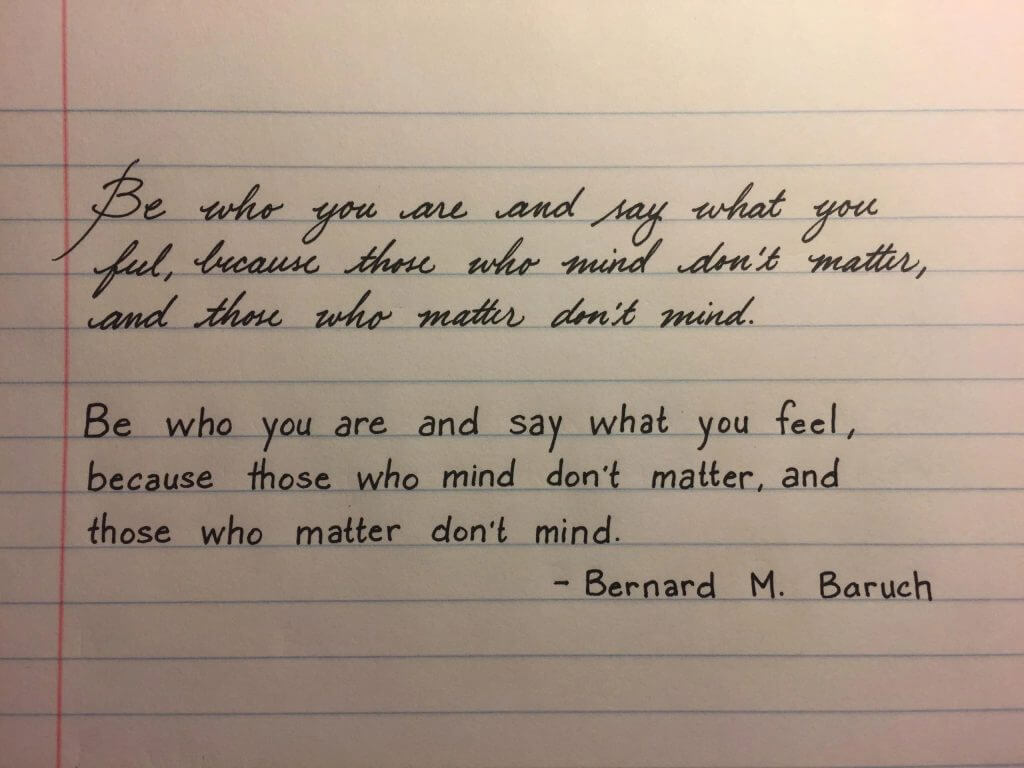
Cursive Takes the Lead in Speed
While individual writing speeds vary, cursive writing generally offers a significant speed advantage over print. Understanding the physical aspects of writing helps explain the speed differences between cursive and print writing. Each style demands a unique set of motor movements:
1. Cursive Writing Mechanics
Cursive writing is characterized by continuous, flowing strokes, which are linked together in an unbroken sequence. These mechanical features make cursive an inherently different writing style from print.
- Continuous flow: Cursive writing is characterized by its flowing, connected letters, which require fewer interruptions. Letters flow into each other through connecting strokes.
- Reduced pen lifts: Since the letters are connected, meaning that the writer can move directly to the next without lifting the pen. Cursive writing requires fewer pen lifts, which can lead to faster writing.
- Efficiency in Motion: Cursive often involves simpler, more efficient strokes than print. For example, many cursive letters begin with an upward stroke, already positioning the pen for the next letter. This “economy of motion” reduces unnecessary movements and saves time.
- Natural rhythm: Cursive encourages a more fluid, rhythmic style of writing. Once a person masters the flow of cursive writing, they can develop a consistent rhythm that further enhances speed.

2. Print Writing Mechanics
In contrast, print writing – also known as block writing or manuscript writing – has distinct characteristics that make it slower than cursive under certain conditions.
- Distinct letter formation: Print writing involves distinct, unconnected letters, which typically require more careful attention. The need for precision in each letter of print writing can slow down the process, especially for writers who are still refining their letter forms.
- Frequent pen lift: Unlike cursive, print writing requires the pen to be lifted between almost every letter. This extra movement interrupts the flow of writing, which increases the time spent on each word or sentence.

- More motor control: Each individual letter in print writing requires precision, and this attention to detail can slow down the writing process compared to cursive.
In short, cursive writing with its connected letters and fluid motion give it a distinct speed advantage over print. While individual writing speeds always vary, the reduced pen lifts and streamlined movements of cursive contribute to a faster and more efficient writing experience.
The Benefits Beyond Speed
While speed is important, cursive writing offers a range of cognitive and educational benefits (Curious about its role today? Learn more about whether cursive is still taught in schools and how different education systems approach it.). Research from Frontiers in Educational Psychology and educational experts suggests that cursive writing has some fascinating effects on our brains and learning processes.
1. Enhances Neural Connections in the Brain
Cursive writing involves a higher level of brain activity due to the complex and fluid motion required to connect letters. The continuous flow of motion triggers brain regions related to fine motor control, language processing, and memory.

According to studies, writing in cursive has been shown to improve cognitive processing by strengthening neural connections. This effect is believed to enhance learning abilities, particularly in young children.
2. Improved Memory Retention
Writing by hand in cursive, as opposed to typing, has been linked to improved memory retention. The act of forming letters and words by hand requires greater engagement and focus than simply pressing a key on a keyboard.
Studies from NLM have shown that students who write notes in cursive retain information better and perform better in recall tests compared to those who type. This is likely due to the depth of processing involved in forming letters in cursive, which helps the brain encode the information more efficiently.
3. Fine Motor Skills
Cursive writing promotes the development of fine motor skills, including hand strength and dexterity, due to the fluid motion involved in letter formation.
Cursive also enhances hand-eye coordination as the writer must maintain control of their pen while following a fluid motion across the page. This skill is not only valuable for writing but also for other tasks requiring detailed motor skills, like drawing or playing musical instruments.
4. Promotes Creativity and Self-Expression
One of the unique aspects of cursive is the ability to develop a personalized handwriting style. Cursive writing, due to its continuous nature, is often seen as more fluid and artistic compared to the rigid structure of print.
People who write in cursive tend to develop their own unique style of writing, fostering a sense of individuality. The freedom of fluid letter connections allows for a more expressive form of communication than the more structured and predictable format of print writing.

Practical Tips to Write Cursive Faster
Cursive writing is inherently faster due to its fluid, continuous movement. However, achieving maximum speed while maintaining legibility requires consistent practice and proper technique.
- Practice regularly: Set aside dedicated time each day to focus on handwriting exercises. Even 10-15 minutes a day can yield significant improvements over time.
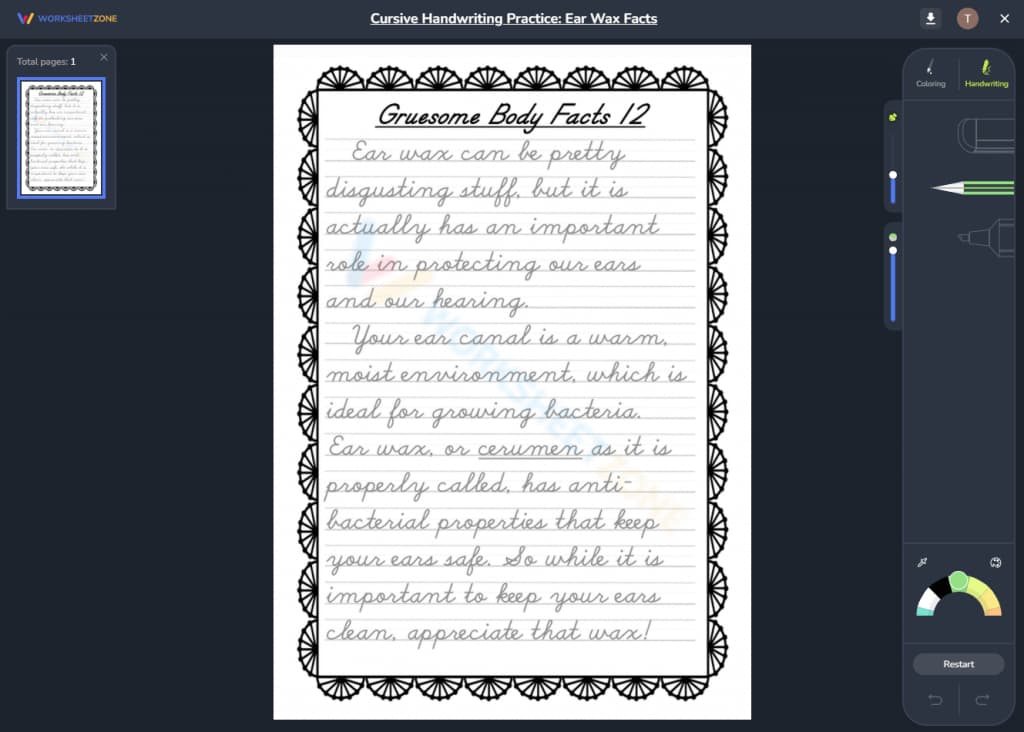
- Choose right materials: Use cursive handwriting worksheets or free printable worksheets available online to guide your practice. These resources often include exercises that focus on both letter formation and writing flow, which are essential for speed improvement.
Worksheetzone offers a wide variety of free printable and interactive cursive writing worksheets that allow students to practice tracing and improve their cursive skills directly on the screen.
- As you practice, gradually increase the speed at which you write, but don’t sacrifice legibility. The goal is to write faster while maintaining clarity.
- Track your progress over time to identify areas for improvement.
- Focus on fluidity: The key to fast cursive writing is flow. Aim for smooth, connected letters with minimal interruptions. Practice writing in a rhythmic flow.
- Master letter connections: In cursive, the primary benefit is that letters flow into each other, reducing the need for pen lifts and making the process more efficient. To speed up, practice letter connections by writing simple words or sentences. Try to connect the letters without lifting your pen too often, ensuring that each transition feels natural.

- Develop a natural rhythm and flow: Cursive writing, when done correctly, has a natural rhythm. Try to maintain a steady pace and don’t pause to adjust your grip or posture mid-writing. Keeping a consistent rhythm helps improve both speed and legibility.
- Use proper arm movements: Don’t rely solely on wrist movements. Using your entire arm can help maintain fluidity and speed (For structured handwriting improvement, discover the proven strategies in Handwriting Without Tears, a program that builds fluency step by step.). Make sure your grip isn’t too tight. A firm but relaxed grip will help you maintain better control of the pen without causing fatigue.
If you’re eager to delve deeper into the world of cursive writing and uncover more techniques for improvement, be sure to check out this comprehensive guide on how to write in cursive. It’s a treasure trove of information for anyone passionate about mastering this elegant writing style.
Frequently Asked Questions
1. Is cursive writing always faster than printing?
Yes, the mechanics of cursive lend themselves to faster writing speeds, especially with consistent practice.
2. How can I improve my cursive writing speed?
Regular practice is essential. Focus on proper technique, efficient movements, and comfortable writing tools. Explore Worksheetzone.org for free printable cursive practice resources to supplement your practice.
3. Should students learn both cursive and print?
Yes, learning both writing styles provides flexibility and allows students to adapt to different writing situations. Cursive can enhance cognitive skills and writing fluency, while print promotes legibility and clear communication. A well-rounded approach to handwriting instruction benefits students in various ways.
4. Can I combine cursive and print writing?
Absolutely! Many people develop a hybrid style that incorporates elements of both cursive and print. This allows for flexibility and personalized adaptation based on individual preferences and specific writing tasks.
Unleashing the Speed of Cursive: A Final Word
So, is cursive faster than print? Absolutely! Its flowing, connected strokes allow for a faster, more efficient writing experience. By embracing cursive and practicing regularly, you can unlock its full speed potential and enjoy the numerous cognitive and educational benefits it offers.
But the advantages of cursive extend far beyond mere speed. As we’ve explored, cursive writing enhances neutral connections in the brain, improves memory retention, develops fine motor skills, and promotes creativity and self-expression. It’s a writing style that engages the mind, body, and spirit, fostering a deeper connection to the written word.
So, pick up your pen, embrace the flow of cursive, and rediscover the joy of writing. You might be surprised at the speed, creativity, and cognitive benefits that await you on this journey. Head over to Worksheetzone and unlock your writing potential with our comprehensive resources.


