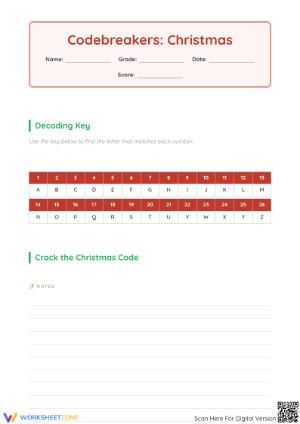
Why Christmas Worksheets Fit the Final Week Before Break
The week before winter break is one of the hardest stretches to plan for. Attention spans shrink, schedules shift for parties and performances, and introducing brand-new content rarely sticks. Christmas worksheets solve a real scheduling problem for US K-12 teachers: they let you keep students working on core skills in reading, writing, and math while matching the mood of the calendar. Rather than treating December instruction as a throwaway period, teachers can use holiday-themed practice sheets to review material already taught, giving students one more repetition before the break interrupts the momentum.
This approach works because it does not ask teachers to build something new. A Christmas-themed word problem still requires the same multi-step math thinking as any other word problem. A holiday reading passage still asks students to identify main idea, sequence events, or make inferences. The seasonal wrapper increases engagement without diluting the academic task, which is exactly what a review week needs.
Differentiating Christmas Worksheets Across Grade Bands
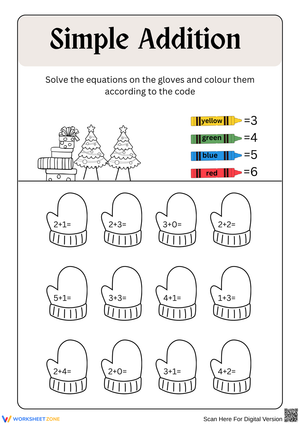
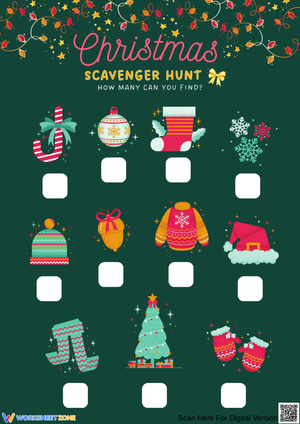
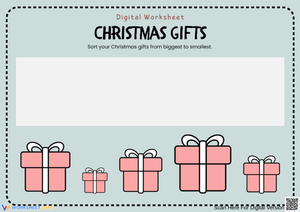
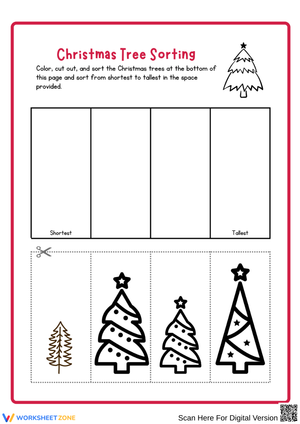
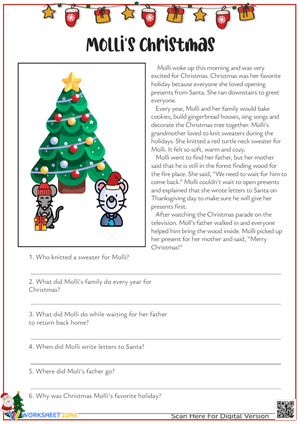
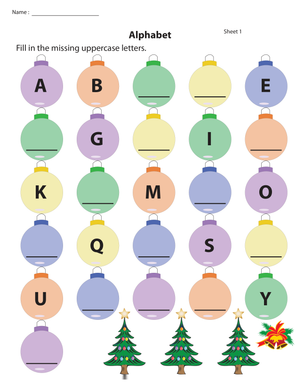
Christmas worksheets span a wide grade range, and matching the format to the band matters more than matching the theme. For kindergarten and grade 1, coloring-by-number pages, simple counting sheets, and shape-matching activities tied to Christmas imagery keep young learners engaged while reinforcing number recognition and fine motor skills. These worksheets are intentionally low-text so early readers are not blocked by decoding demands.
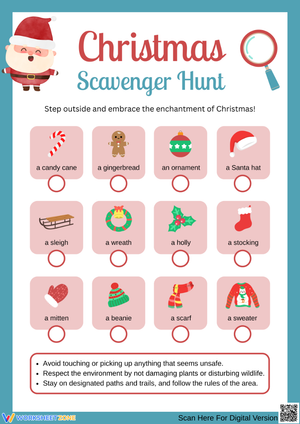
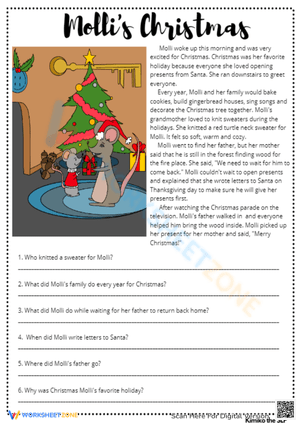
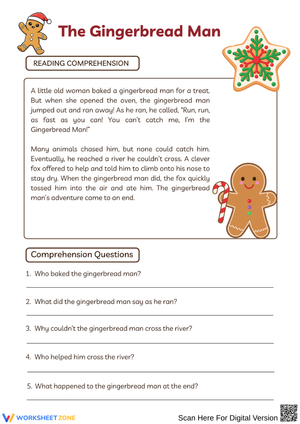
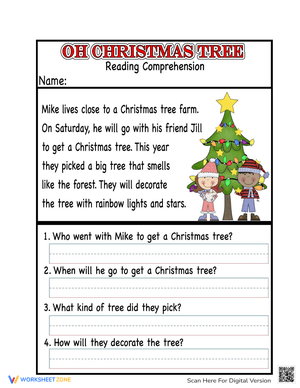
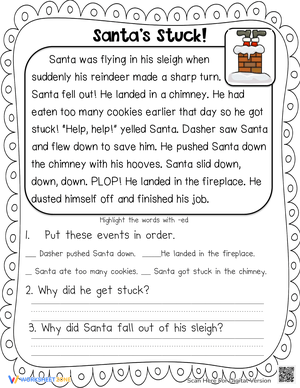
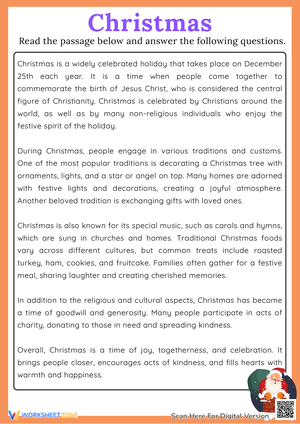
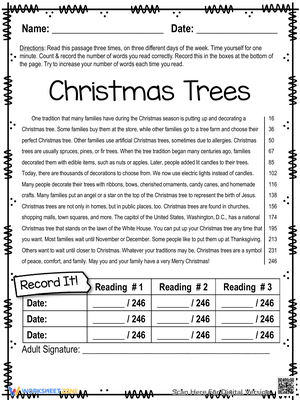
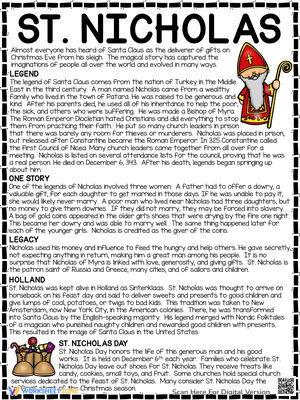
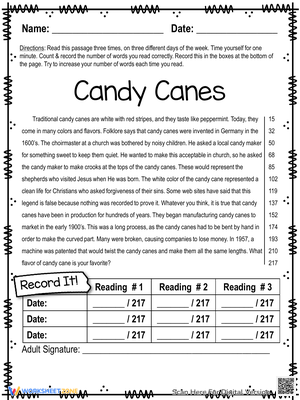
Upper-elementary teachers can move into vocabulary-building exercises, reading comprehension passages about Christmas traditions, and short constructed-response prompts. Comprehension passages built around specific traditions, rather than generic holiday cheer, tend to hold attention longer because they give students something concrete to summarize or compare, which supports the sequencing and main-idea skills most upper-elementary standards emphasize this time of year. For ESL and ELL learners, the same passages double as vocabulary-building tools when paired with picture support and sentence frames, since holiday vocabulary is often high-frequency and culturally relevant even for students still building academic English.
Using Christmas Worksheets for Math Fact Fluency and Word Problems
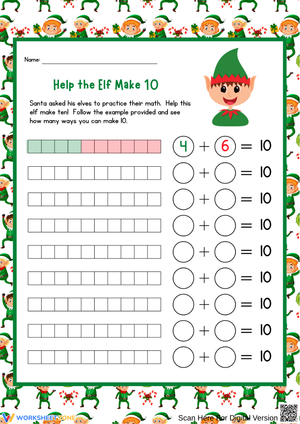
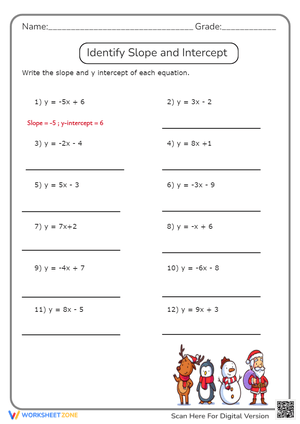
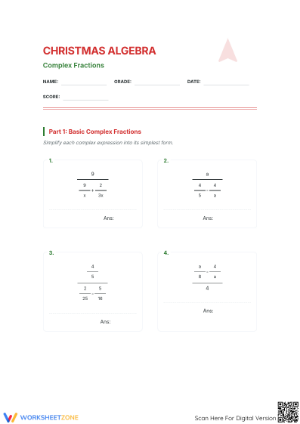
Math fact fluency does not take a break just because the calendar says December. Christmas-themed math worksheets are an easy way to keep fluency practice moving: addition and subtraction fact sheets with candy cane or ornament graphics for younger grades, and multi-step word problems involving gift counts, cookie quantities, or holiday shopping totals for grades 3 and up. Because the underlying skill is unchanged, these worksheets slot directly into existing math centers or homework routines without requiring new lesson planning.
For classrooms already using a rotation model, a Christmas word-problem set can serve as one station while a fact-fluency drill serves as another, letting teachers differentiate by readiness level within the same seasonal theme. Struggling students can work with simpler one-step problems while advanced students tackle two- or three-step problems using the same holiday context, so the whole class feels connected even though the difficulty varies.
Blending Christmas Worksheets Into ELA Centers
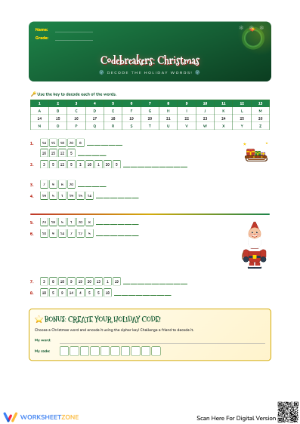
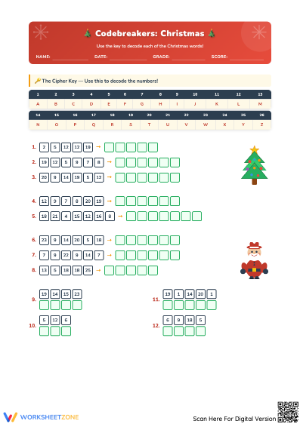
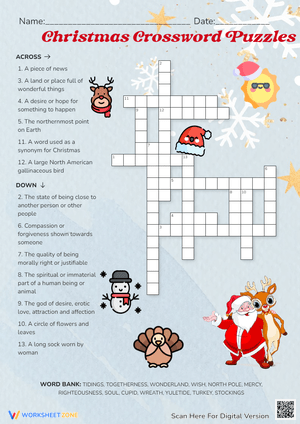
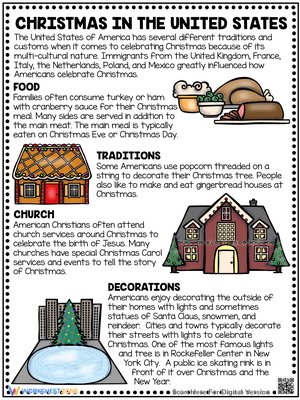
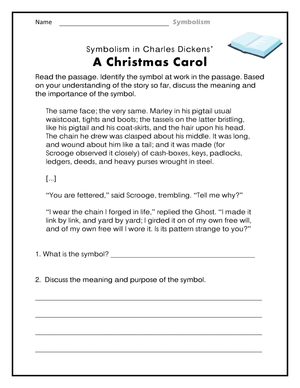
English language arts centers benefit from Christmas worksheets in three main ways: vocabulary practice, reading comprehension, and writing prompts. Vocabulary sheets built around holiday word banks work well for word searches, crossword puzzles, or matching activities that reinforce spelling patterns already covered in a unit. Reading comprehension passages about Christmas traditions, whether focused on specific customs, historical origins, or family celebrations, give students authentic text to practice close-reading strategies like identifying supporting details or summarizing.
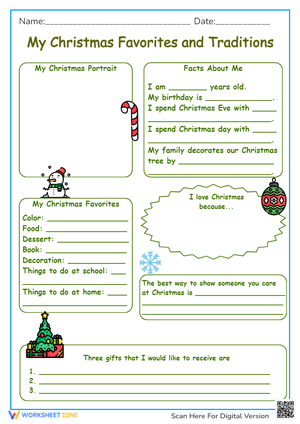
Writing prompts tied to the season, such as describing a favorite holiday memory or writing a persuasive paragraph about a preferred winter activity, let students apply narrative or opinion-writing skills they have been building all semester. Because the prompt is holiday-specific but the skill is not, these worksheets fit naturally into an existing writing workshop structure without requiring teachers to reteach genre expectations.
Christmas Worksheets and Geography or Social Studies Connections
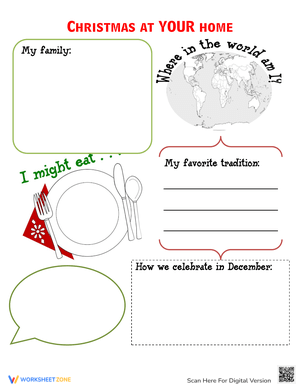
Christmas worksheets are also a practical bridge into geography and social studies content. Teachers often pair holiday-themed worksheets with short lessons comparing how Christmas or the winter season is celebrated in different countries, which supports cultural awareness standards while keeping the seasonal theme intact. A worksheet asking students to compare a US Christmas tradition with one from another country can reinforce compare-and-contrast writing structures at the same time it builds background knowledge.
Because Christmas worksheets are used across such a wide grade span, from kindergarten coloring sheets to upper-elementary comprehension passages, teachers can reuse the same thematic library across multiple preps in a single school, which reduces prep time during an already compressed pre-break week.
Supporting ESL and ELL Students With Seasonal Vocabulary
For ESL and ELL students, Christmas worksheets offer a low-stakes way to build vocabulary tied to a topic most students already have some background knowledge about, whether from their own family traditions or from exposure to US classroom culture. Picture-supported vocabulary sheets, simple sentence-completion activities, and labeled diagrams of holiday scenes give language learners a scaffolded entry point before they move to full comprehension passages. Pairing a vocabulary worksheet with a short listening or read-aloud activity reinforces the same words through multiple modalities, which is especially useful for students still developing academic English proficiency.
Classroom Implementation
To get the most out of Christmas worksheets without losing instructional accountability, start by mapping the worksheet to a skill you have already taught rather than a brand-new one. Use the last week before break as a review runway: pull worksheets that reinforce recent units in math, reading, or vocabulary, and organize them into short center rotations so students are not sitting through a single long worksheet packet. For mixed-ability classrooms, keep two versions of the same theme on hand, a simpler counting or matching sheet and a more complex word-problem or comprehension sheet, so every student is working at an appropriate challenge level while the whole room stays visually and thematically consistent. Finally, treat these worksheets as formative checkpoints. A quick scan of completed Christmas worksheets can tell you which students are ready for winter-break review packets and which ones need a short reteach before the calendar turns over.
Frequently Asked Questions
1. What grade levels are Christmas worksheets appropriate for?
Christmas worksheets span the full K-12 range in practice, though they are most common in kindergarten through upper-elementary classrooms. Younger grades typically use coloring, counting, and shape-matching sheets, while upper-elementary students work with vocabulary, comprehension, and multi-step word-problem formats.
2. How can teachers use Christmas worksheets without losing instructional time before break?
Tie each worksheet to a skill already taught in the unit rather than introducing new content. Using Christmas worksheets as review and reinforcement during the final week before break keeps the class on task academically while matching the seasonal mood.
3. What subjects can be reinforced with Christmas-themed worksheets?
Common subjects include math fact fluency and word problems, reading comprehension, vocabulary and spelling, writing prompts, and geography or social studies connections comparing holiday traditions across countries.
4. Are Christmas worksheets useful for ESL or ELL students?
Yes. Holiday vocabulary is often high-frequency and culturally familiar, making it a practical entry point for building academic English through picture-supported vocabulary sheets, sentence frames, and short comprehension passages.
5. How should teachers differentiate Christmas worksheets for mixed-ability classrooms?
Keep multiple versions of the same theme on hand, such as a simpler counting or matching sheet alongside a more advanced comprehension or multi-step word-problem sheet, so students work at an appropriate challenge level within the same thematic center.












 Interactive Worksheet Maker
 Quiz Maker
 Word Search Maker
 Crossword Puzzle Maker
 Word Scramble Generator
 Sentence Scramble Generator
 Handwriting Worksheet Generator
 Name Tracing Generator
 Fill In The Blank Generator