Grade 4 strategy practice that fits real classroom blocks
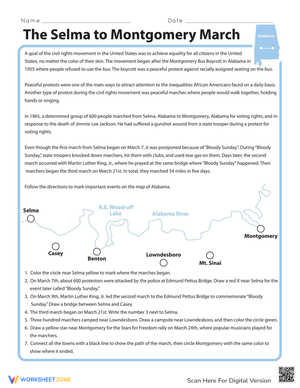
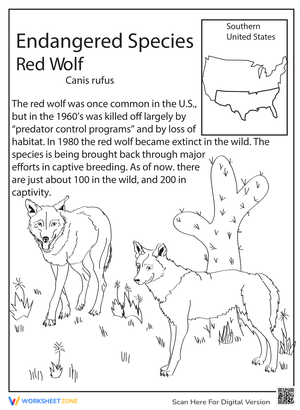
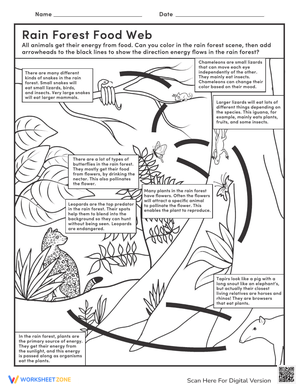
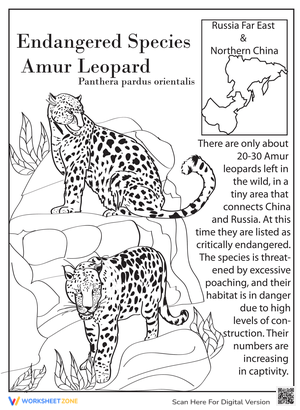
When teachers search for 4th grade reading comprehension strategies coloring worksheets pdf, they usually need something they can print quickly and use the same day. The Grade 4 collections on Worksheetzone fit that workflow well because they keep the focus on specific comprehension moves instead of broad reading levels. That matters in upper elementary classrooms, where students may read the same passage but need different support with main idea, sequencing, inference, summarizing, or using text evidence.
For many teams, the value is speed and clarity. A printable PDF can slide into bell work, literacy centers, independent practice, homework, intervention, or a sub plan without extra setup. A coloring-style format also changes the tone of practice. Instead of another plain response sheet, students get a page that feels manageable and visually inviting while still asking them to think closely about what a text says and how they know it.
Which comprehension skills these worksheets can target
Grade 4 is a useful point for strategy instruction because students are expected to move beyond literal recall. Teachers often need practice pages that separate one comprehension demand from another, so they can see whether a student is missing the main idea, overlooking supporting details, or struggling to explain an inference. Worksheetzone's Grade 4 reading comprehension strategy sets are well suited to that kind of targeted use.
- Main idea and supporting details: helpful when students can retell interesting parts of a passage but cannot identify the controlling point.
- Sequencing: useful for narrative retell, procedural texts, and checking whether students can track order words and cause chains.
- Inference: important when readers need to combine clues from the text with what they already know.
- Cause and effect: practical for both fiction and nonfiction, especially in science and social studies reading blocks.
- Summarizing: useful when students include too many minor details or repeat whole sections instead of condensing ideas.
- Text evidence and author's purpose: valuable when answers are plausible but not grounded clearly in the passage.
Organizing practice by strategy gives teachers cleaner evidence. Instead of saying a student is weak at comprehension in general, you can tell whether the issue is noticing details, connecting ideas, or explaining reasoning from the text.
Why coloring-style worksheets can improve reading buy-in
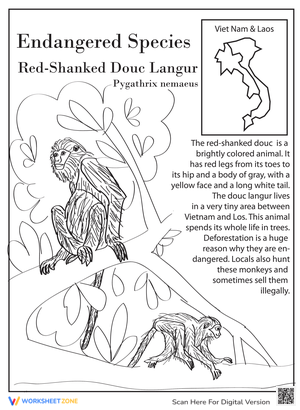
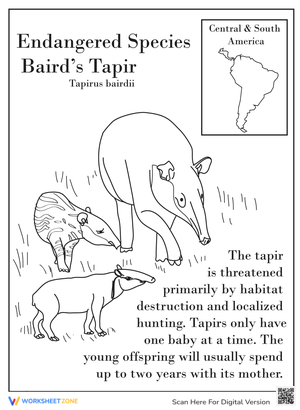
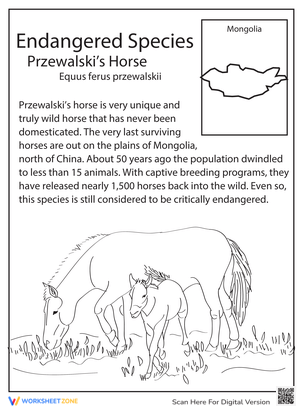
By Grade 4, many students already have a strong opinion about reading practice pages. Some will complete anything you hand them, but reluctant readers often shut down when every worksheet looks identical. Coloring or visual-response worksheets can help because they soften that resistance without lowering the cognitive demand. Students still read, think, and justify answers, but the page looks less like a test and more like a task they can finish.
That visual hook can be especially useful during independent work time, centers, or intervention blocks. A themed passage, graphic prompt, or color-and-show-understanding task gives students a concrete next step after they answer questions. Teachers can use that structure to keep early finishers engaged, reduce avoidance behaviors, and make repeated practice feel less repetitive across the week.
It also helps with pacing. When a page is visually segmented, students can see where to start, where to record thinking, and what completion looks like. For readers who lose momentum halfway through a dense passage set, that design choice can make the work feel more accessible while still holding expectations in place.
Using printable PDFs across fiction and nonfiction lessons
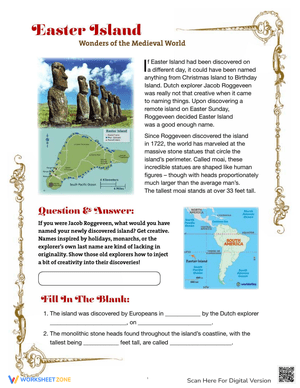
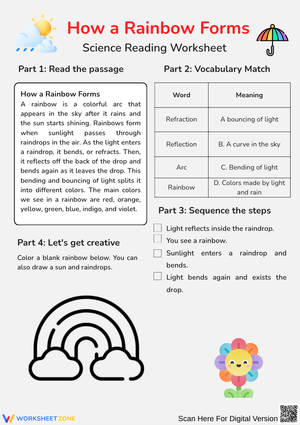
One of the strongest reasons to use printable PDFs is flexibility. A teacher can pull the same strategy focus into different text types without rebuilding the lesson structure every time. For example, you might use a sequencing worksheet with a realistic fiction passage on Monday and a nonfiction process text on Wednesday. Students practice the same thinking move in two contexts, which makes the strategy more transferable.
That matters in Grade 4 because students need to handle both literary and informational reading demands. Fiction passages are useful for character motivation, plot sequence, theme-adjacent thinking, and inference. Nonfiction passages help with main idea, supporting details, cause and effect, and summarizing facts accurately. When the worksheet format stays familiar, students can spend more energy on comprehension and less on figuring out directions.
Printable PDF sets also support planning across settings. A classroom teacher might use the full page during whole-group review, while an interventionist pulls the same skill for a smaller set of students who need additional scaffolding. Because the format is ready to print, it works well for folders, take-home packets, and quick reteach moments between larger reading units.
Classroom Implementation
These worksheets are most effective when they are tied to a clear instructional purpose rather than handed out as isolated busy work. In many Grade 4 classrooms, the best routine is short and consistent: introduce the strategy, model it in a shared text, then move students into a printable page that lets them apply the same move independently. That gives the worksheet a defined role inside instruction instead of making it the lesson by itself.
- Bell work: use a single strategy page to review prior learning in the first 10 to 15 minutes.
- Centers: assign different strategy sheets by group, depending on current needs.
- Small-group intervention: choose one narrow skill, such as inference or summarizing, and discuss answers aloud after completion.
- Homework: send home a familiar format so families can support completion without reteaching directions.
- Sub plans: use self-contained PDFs with straightforward instructions and visible completion tasks.
Teachers can also build stronger response habits by asking students to explain how they found the answer, not just what the answer is. That brief follow-up turns a printable page into a more useful formative check. If a student colors the correct section or selects the correct response but cannot justify it, you have a clearer signal about what still needs to be taught.
What the research suggests about strategy instruction
Reading comprehension worksheets work best when they reinforce explicit teaching. Reading Rockets describes seven comprehension strategies that skilled readers use, including monitoring understanding, answering and generating questions, summarizing, and using graphic or semantic organizers. That matters for Grade 4 practice because a worksheet is strongest when it prompts one of those visible thinking moves instead of only checking recall.
A useful planning insight is that the most effective worksheet use often happens after teacher talk, not before it. The IES What Works Clearinghouse practice guide in the provided research centers comprehension work on active explanation and discussion before, during, and after reading. Even though that guide is written for younger grades, the instructional logic still applies in Grade 4: students benefit when the printable page follows modeling, vocabulary attention, and a short conversation about how the strategy works in the text.
That means teachers can treat Worksheetzone pages as practice and evidence, not as a replacement for instruction. If students first hear a think-aloud for inference, then complete a targeted PDF, the finished page tells you much more than it would on its own. You can see whether the student transferred the modeled reasoning, whether the text evidence chosen is relevant, and whether the misunderstanding is isolated or consistent.
Why Worksheetzone works for quick planning and differentiation
Worksheetzone helps teachers narrow the search from generic reading worksheets to a Grade 4 strategy-specific collection. That saves planning time because you are not sorting through unrelated phonics pages, broad reading packets, or activities built for the wrong age band. For a teacher managing whole-group instruction, intervention groups, and homework needs in the same week, that kind of sorting efficiency matters.
The collection approach also supports differentiation. You might assign a main idea sheet to one group, an inference page to another, and a sequencing task to students who need more support organizing events. Because the pages are printable and classroom ready, it is easier to match the task to the skill gap without building new materials from scratch.
Frequently Asked Questions
1. What reading comprehension strategies should 4th graders practice most?
Grade 4 students usually need steady practice with main idea, supporting details, sequencing, inference, cause and effect, summarizing, author's purpose, and text evidence. The right mix depends on current classroom data, but targeted worksheets help isolate which of those skills needs more direct attention.
2. Are these Grade 4 reading comprehension worksheets available as printable PDF files?
Yes. The search intent behind this collection is immediate access to printable PDFs that teachers can download and use for classwork, centers, homework, intervention, or sub plans. That print-ready format is one of the main reasons these collections are practical during busy planning weeks.
3. How can coloring or visual worksheets help with reading engagement?
Coloring-style pages can increase participation by making repeated strategy practice feel less formal and less monotonous. The visual structure also helps some students track sections, pace themselves, and see a clear endpoint, which can be helpful for reluctant readers during independent work.
4. Can these worksheets be used for small-group intervention or homework?
They can. In small groups, teachers can pair a focused worksheet with discussion and quick feedback on reasoning. For homework, the same pages work well when the format is already familiar, because students can complete the task independently and teachers can review the finished work for strategy-specific evidence the next day.