What 4th grade reading coloring printable PDF worksheets help teachers solve
Teachers searching for 4th grade reading coloring printable pdf worksheets usually need something specific: practice that holds student attention without turning a reading block into an art period. On the Worksheetzone Grade 4 Reading page with the Coloring filter applied, the format is geared toward that need. The worksheets are print-ready, easy to hand out, and built for students who still benefit from visible, concrete tasks while working on reading skills.
That matters in Grade 4 because reading work becomes more layered. Students are expected to move beyond finding one obvious detail and start explaining meaning, comparing ideas, and using text evidence with more consistency. A coloring component gives teachers a way to keep the page active and manageable. Instead of assigning a long written response every time, you can use a worksheet that asks students to read, decide, and then color based on what they understood.
For classroom planning, that makes these printables useful in literacy centers, independent practice, morning work, fast-finisher folders, homework packets, and sub plans. If you need an offline task that feels complete in one sitting, printable PDF worksheets fit the Grade 4 schedule.
Which reading skills these worksheets can reinforce in Grade 4
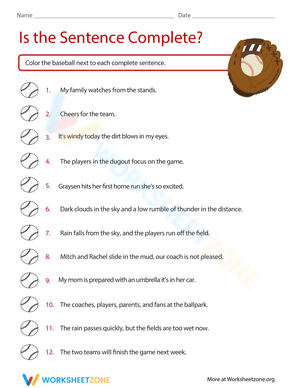
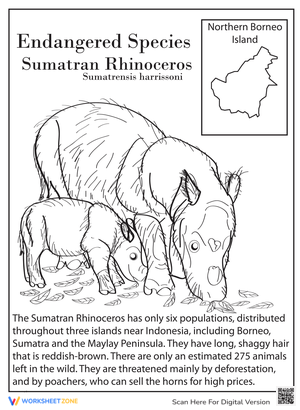
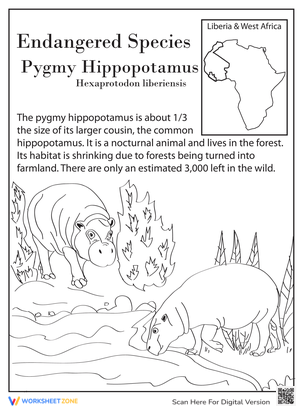
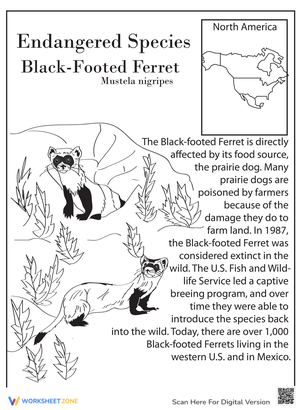
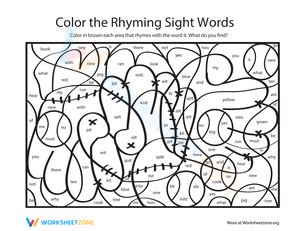
Visible examples on the page show that reading coloring worksheets are not limited to one narrow skill. They can combine reading-related English language arts targets with a coloring action so students still have to think carefully before they mark the page. That creates room for practice across several common Grade 4 needs.
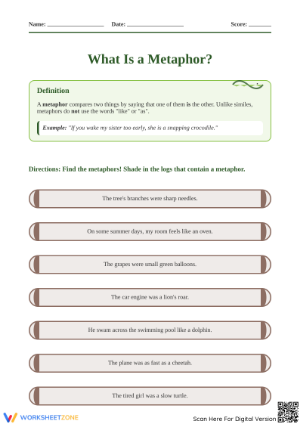
- Figurative language: Worksheets on metaphors can ask students to read phrases, identify meaning, and color the matching response.
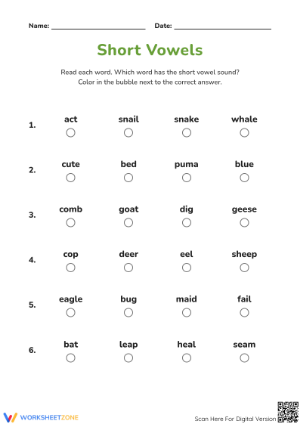
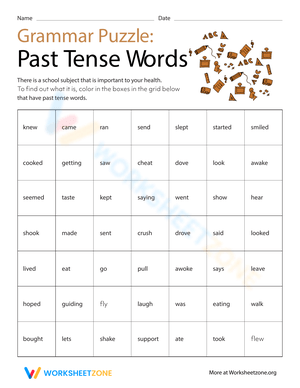
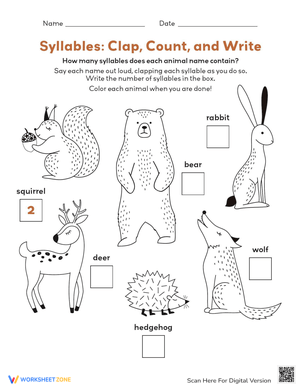
- Word study and grammar within reading work: Past tense words and syllable tasks support fluency and vocabulary development that feed into comprehension.
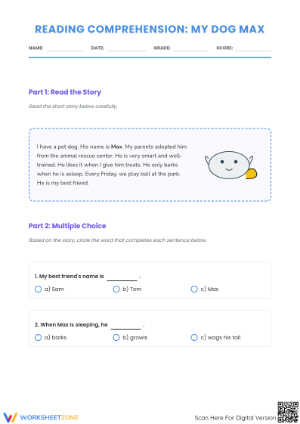
- Short-passage comprehension: Students read a passage, answer a question, and color a section tied to the correct idea.
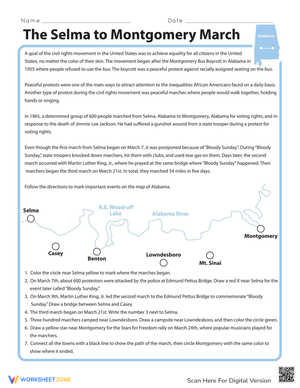
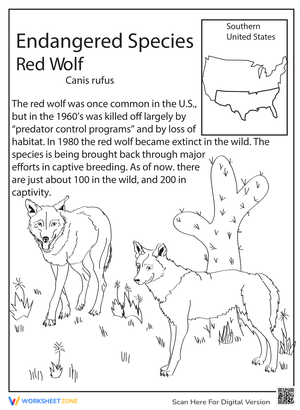
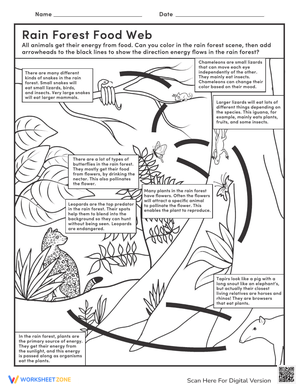
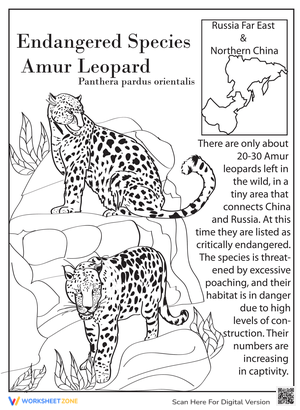
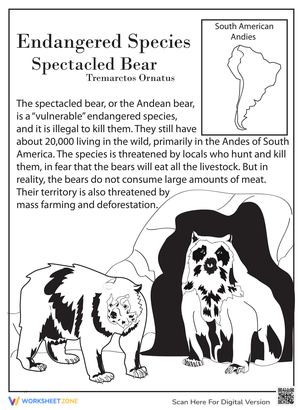
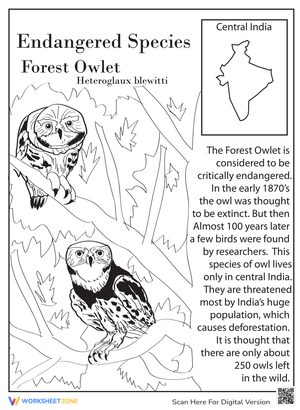
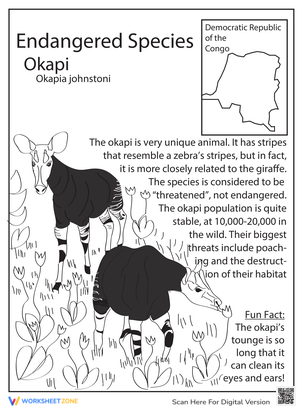
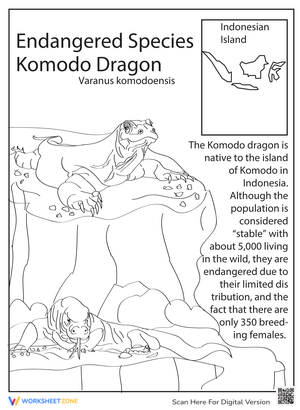
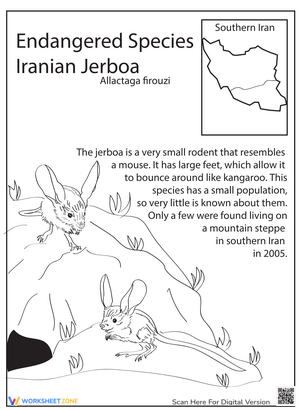
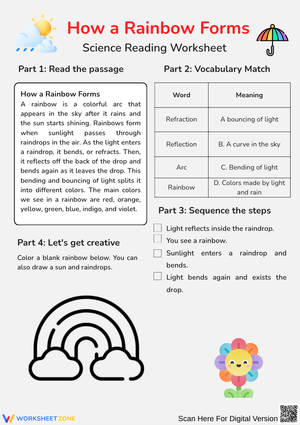
- Informational reading: Science reading passages can support content-area literacy while keeping the task accessible and print-friendly.
That mix is useful because Grade 4 classrooms rarely teach reading in isolation. Teachers often need materials that sit between full comprehension packets and skill drills. A reading coloring worksheet can serve as that middle layer: focused enough for one target, but engaging enough that students will finish it with less prompting.
Why the printable PDF format works in real classroom conditions
The keyword itself points to a practical preference. Teachers looking for printable PDFs are usually not browsing for ideas; they are trying to solve tomorrow's lesson, center rotation, or homework stack. A strong PDF worksheet saves time because it prints cleanly, keeps directions on the page, and does not require students to switch devices, tabs, or tools.
On Worksheetzone, the category positioning also supports that low-prep use. The page presents ready-to-use reading coloring worksheets with clear instructions and answer keys, which matters when materials need to move quickly from planning to use. For a classroom teacher, answer keys are not a small feature. They make it easier to check independent work, prepare for intervention groups, or leave reliable plans for another adult.
When choosing among printable options, it helps to look for four things:
- Directions students can follow without repeated teacher support.
- A reading skill that matches the current Grade 4 target.
- A page design that is easy to print and annotate.
- An answer key that supports quick review or self-checking.
If those pieces are present, a printable worksheet becomes more than filler. It becomes a dependable classroom tool that can be used again in review cycles or tucked into seasonal packets and enrichment folders.
Classroom Implementation
Reading coloring worksheets work best when teachers assign them with a narrow purpose. In a literacy center, they can reinforce one skill students have already seen in whole-group instruction. For homework, they are useful when you want a task that students can complete independently without needing a long written explanation. In intervention, they can lower the amount of writing so you can see whether a student understands the reading move itself.
One practical routine is to place these worksheets in three different instructional spots during the week. Use one as a center task after a mini-lesson, one as independent review during small-group teaching, and one as a Friday spiral review page. Because the format is familiar, students spend less time figuring out what to do and more time working on the target skill.
They are also effective for:
- sub plans that need clear directions and a calm work pace,
- early-finisher folders that still connect to grade-level expectations,
- test-prep review when students need shorter bursts of reading practice,
- cross-curricular stations that pair reading with science or content vocabulary.
Teachers can also add a simple accountability move after completion: a one-sentence verbal explanation, partner check, or quick reteach conference. That keeps the coloring portion tied to reading thinking instead of letting it become the main event.
How coloring can sharpen, not dilute, reading thinking
Coloring only adds value when the academic decision comes first. The strongest Grade 4 reading coloring worksheets require students to identify a metaphor, interpret a sentence, sort word patterns, or answer a passage question before they color. In that structure, coloring acts as the response marker. It gives students a visible endpoint and often improves completion rates on practice that might otherwise feel repetitive.
For teachers, the format has another advantage: it separates decision-making from extended writing. When a student selects the wrong color path or colors the wrong answer area, you can quickly see whether the issue is comprehension, vocabulary, or misunderstanding directions. That makes these worksheets especially useful as a fast diagnostic check before moving students into a longer constructed response task.
The Common Core State Standards Initiative pages for Reading Literature Grade 4 and Reading Informational Text Grade 4 both emphasize grade-level understanding of text details, structure, and meaning. That Grade 4 focus makes short reading-coloring tasks a practical review tool when teachers want students to show comprehension in one sitting.
Used this way, coloring supports attention and task completion without replacing the real literacy work. It is the structure around the reading, not the goal of the lesson.
How to choose worksheets that fit Grade 4 reading expectations
Not every colorful worksheet is aligned to what Grade 4 students are expected to do. The best choices still ask students to read actual words, phrases, or passages and make a meaningful decision from the text. If the coloring step can be completed without reading closely, the worksheet is probably too light for core instruction.
According to the Grade 4 Reading Literature and Reading Informational Text pages named in the source set, students are working toward stronger understanding of stories, details, themes, structures, and informational ideas. That does not mean every worksheet needs to be long. It does mean the task should connect to a clear reading move such as identifying meaning, explaining a detail, or distinguishing among answer options using what was read.
As you sort through options, ask:
- Does the worksheet match the reading target I taught this week?
- Will students need to read carefully before they color?
- Is the amount of text appropriate for independent Grade 4 work?
- Can I use the answer key to spot misconceptions quickly?
Those questions keep selection grounded in instruction rather than appearance. They also help curriculum leads and team teachers choose pages that can be shared across classrooms with consistent expectations.
Why Worksheetzone fits low-prep reading review
Worksheetzone is useful here because the page is already narrowed to a real classroom combination: Grade 4, Reading, and Coloring. That matters when teachers do not have time to sort through general worksheet collections. The category signal tells you the materials are aimed at an exact use case instead of a broad worksheet search.
The examples shown on the page also suggest range. Teachers can move from figurative language to word study to short informational reading without leaving the same general format. That kind of consistency helps in weekly planning. Students learn how the worksheet style works, while teachers can rotate the reading target based on current instruction.
Frequently Asked Questions
1. What skills do 4th grade reading coloring worksheets usually cover?
They often cover comprehension, figurative language, vocabulary-related word study, syllables, verb forms such as past tense, and short informational reading tasks. On the Worksheetzone page, visible examples include metaphors, past tense words, syllables, and science reading passages.
2. Are these worksheets available as printable PDF downloads?
That is the main intent behind this category. Teachers searching this keyword usually want fast-download, print-friendly pages they can use offline. The Worksheetzone category is positioned as a set of ready-to-use printable reading coloring worksheets.
3. Can teachers use reading coloring worksheets for homework or literacy centers?
Yes. They fit especially well in literacy centers, homework packets, morning work, sub plans, and enrichment folders because the format is self-contained and easier for students to complete independently than longer response assignments.
4. How can teachers tell whether a worksheet matches Grade 4 reading standards?
Choose a page that requires actual reading before coloring, targets a clear skill, and reflects Grade 4 expectations for literature or informational text. The best worksheets are not just decorative; they ask students to make a text-based decision and provide an answer key for quick review.












 Interactive Worksheet Maker
 Quiz Maker
 Word Search Maker
 Crossword Puzzle Maker
 Word Scramble Generator
 Sentence Scramble Generator
 Handwriting Worksheet Generator
 Name Tracing Generator
 Fill In The Blank Generator