


























Views
Downloads

Essential Phonics and Handwriting Practice | Grade K ELA
Paste this activity's link or code into your existing LMS (Google Classroom, Canvas, Teams, Schoology, Moodle, etc.).
Students can open and work on the activity right away, with no student login required.
You'll still be able to track student progress and results from your teacher account.
This Grade K ELA resource provides a comprehensive approach to early literacy by combining fine motor handwriting practice with phonics mastery. Students engage with short vowel sounds and vocabulary through tracing, word recognition, and spelling completion. It ensures learners build the foundational skills necessary for reading fluency and legible writing in a structured, engaging format.
At a Glance
- Grade: Kindergarten · Subject: ELA
- Standard:
CCSS.ELA-LITERACY.RF.K.3.B— Associate the long and short sounds with common spellings for the five major vowels- Skill Focus: Handwriting and Phonics
- Format: 3 pages · 40 problems · Answer key included · PDF
- Best For: Morning work or literacy centers
- Time: 20–30 minutes
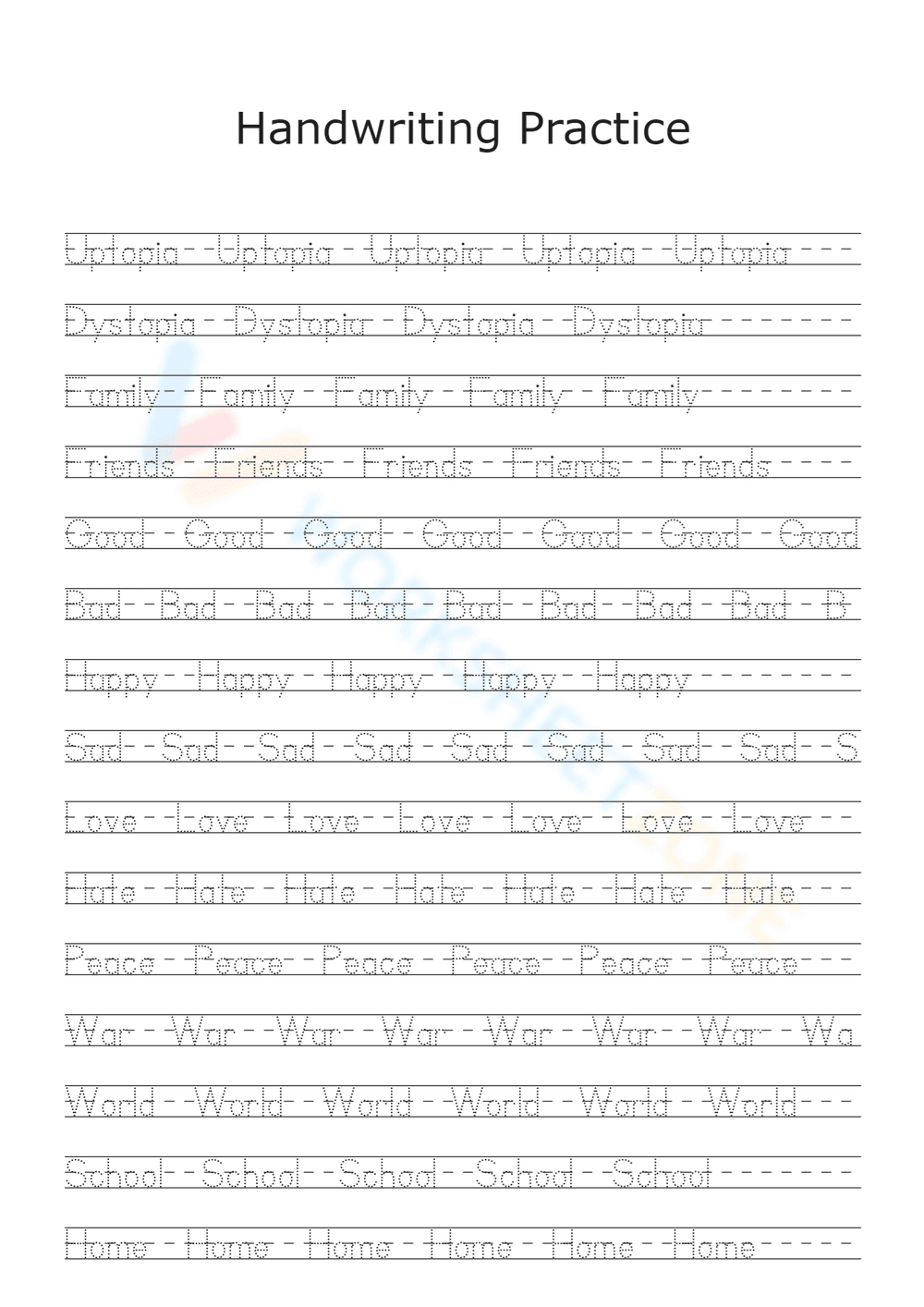
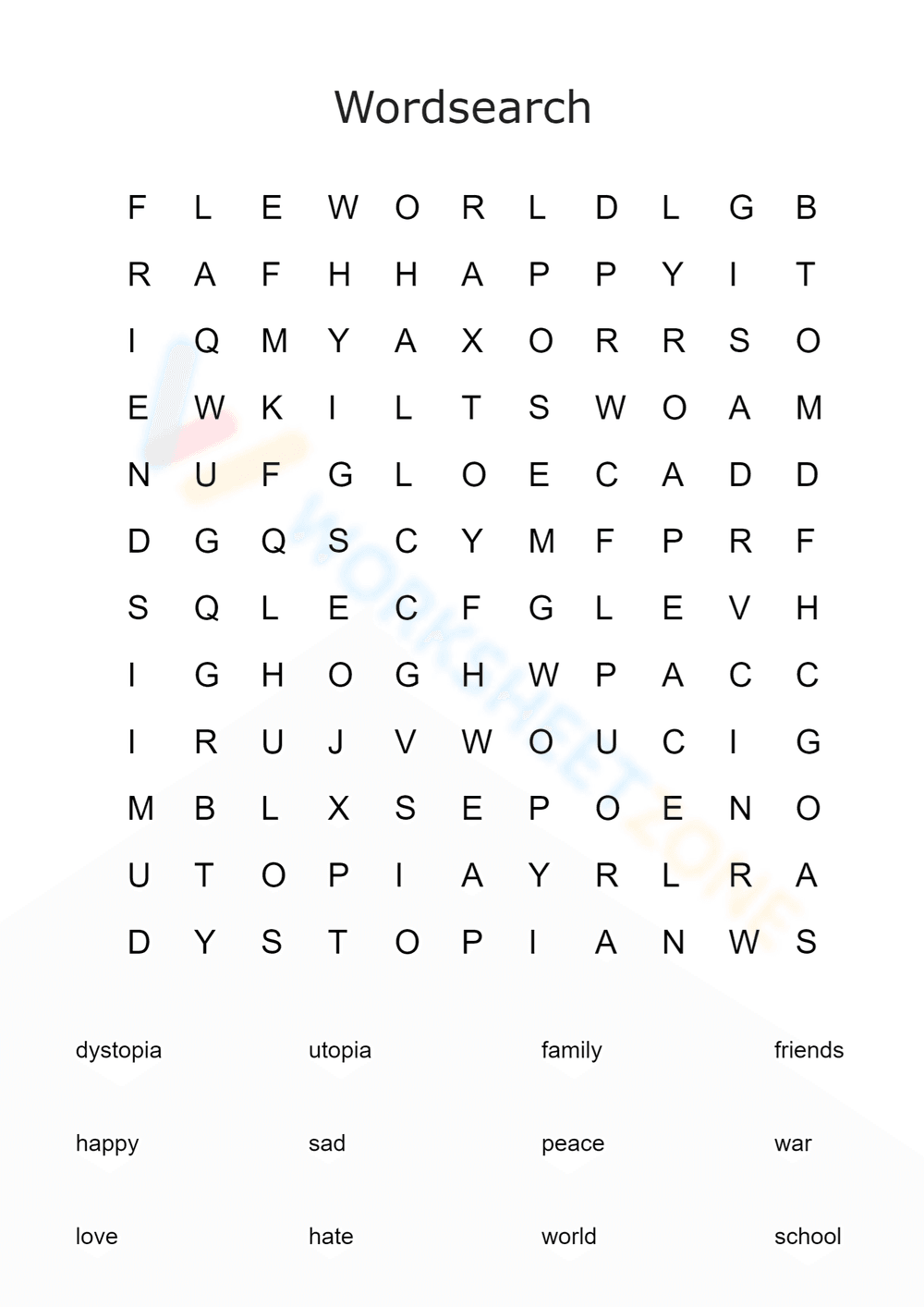
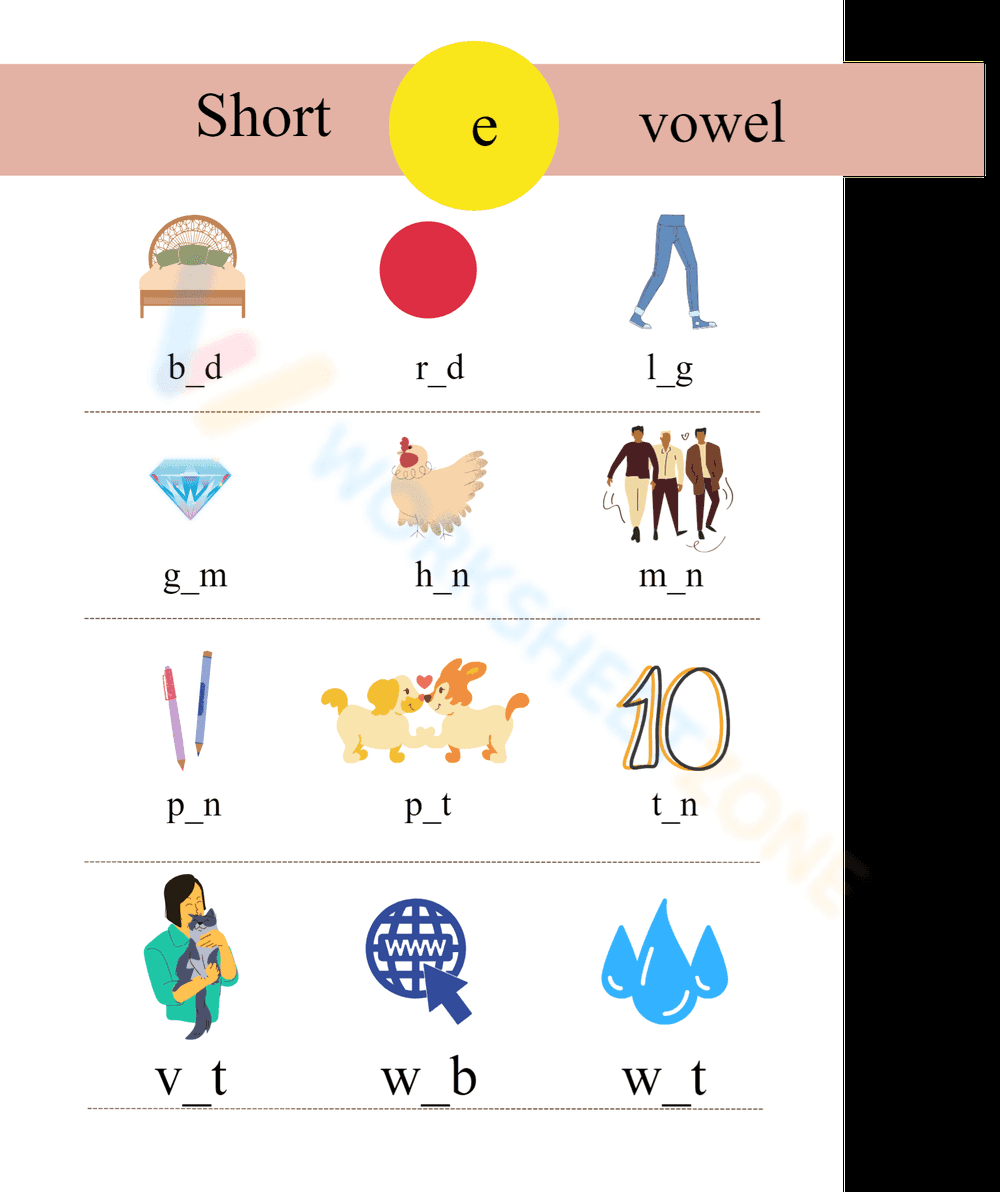
What's Inside: This 3-page PDF packet includes a dedicated handwriting page with 16 lines of tracing practice for high-frequency and thematic words. The second page features a 12-word vocabulary word search to reinforce letter recognition and pattern finding. The final page focuses on phonics, presenting 12 CVC images where students must fill in the missing short "e" vowel to complete the word.
Zero-Prep Workflow:
- Print (30 seconds): Select the desired pages and print enough copies for your literacy block.
- Distribute (30 seconds): Hand out the packets during independent work time or as a transition activity.
- Review (1 minute): Use the included answer key or a quick visual check to assess student accuracy in letter formation and vowel placement.
Total teacher preparation time is under two minutes, making this an ideal solution for busy mornings or unexpected substitute teacher plans.
Standards Alignment: The primary focus is CCSS.ELA-LITERACY.RF.K.3.B, which requires students to associate the long and short sounds with common spellings for the five major vowels. Additionally, the handwriting portion supports CCSS.ELA-LITERACY.L.K.1.A by encouraging students to print many upper- and lowercase letters. Both standard codes can be copied directly into lesson plans, IEP goals, or district curriculum mapping tools.
How to Use It: Use the handwriting and word search pages during your morning "soft start" to settle students into a focused mindset. The short "e" vowel page is best utilized after a direct instruction lesson on CVC words to serve as a formative assessment. Observe students as they work to identify those struggling with the "e" vs. "i" sound distinction. Completion typically takes 20 to 30 minutes.
Who It's For: This resource is designed for Kindergarten students but serves as excellent remediation for 1st Grade learners needing extra phonics support. It is particularly effective for English Language Learners (ELLs) due to the clear visual cues on the phonics page. Pair this worksheet with a short vowel anchor chart or a "hen" themed picture book for a cohesive lesson.
Research from Fisher & Frey (2014) emphasizes the importance of the gradual release of responsibility, which is mirrored here through guided tracing leading to independent word identification. By integrating handwriting with phonics, this worksheet addresses the multi-sensory needs of early learners. The inclusion of 40 distinct tasks ensures high-repetition practice, which is critical for the orthographic mapping of short vowel sounds like the "e" in "hen" or "pen." Aligned to CCSS.ELA-LITERACY.RF.K.3.B, this resource helps students bridge the gap between letter recognition and phonemic awareness. Educational analysis suggests that combining motor skills with cognitive tasks like word searches increases engagement and retention in Grade K populations. This printable PDF provides a structured, evidence-based approach to early literacy that fits into any standard-aligned curriculum or intervention program.


